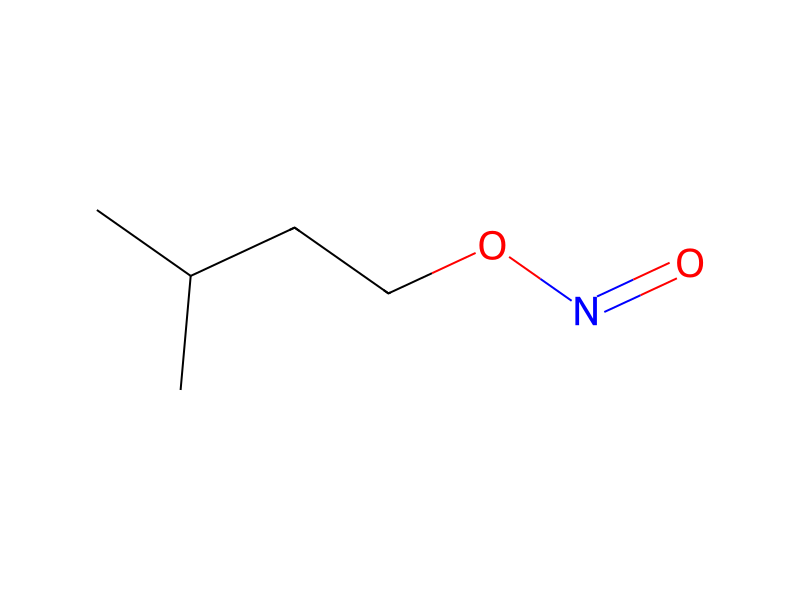
In a 200-mL egg plant-type flask, acetic anhydride (9.46 mL, 100 mmol) was added to a CHCl3 solution (200 mL) of sodium acetate (5.89 g, 60 mmol) and 5-(ethyloxy)-2-methylaniline (8.96 g, 50 mmol), and stirred for 30 minutes with heating under reflux. Next, isoamyl nitrite (13.31 mL, 100 mmol) and 18-crown-6-ether (1.32 g, 5 mmol) were added to the reaction solution, and stirred overnight with heating under reflux. This was diluted with water, extracted with CHCl3, washed with aqueous saturated sodium hydrogencarbonate solution, and dried with sodium sulfate. The solution was filtered and concentrated to obtain a crude product. This was stirred in a hydrochloric acid/methanol solution at 60° C. for 30 minutes, and concentrated. The formed solid was washed with hexane and ethyl acetate to obtain the title compound of hydrochloride as a pale yellow solid.