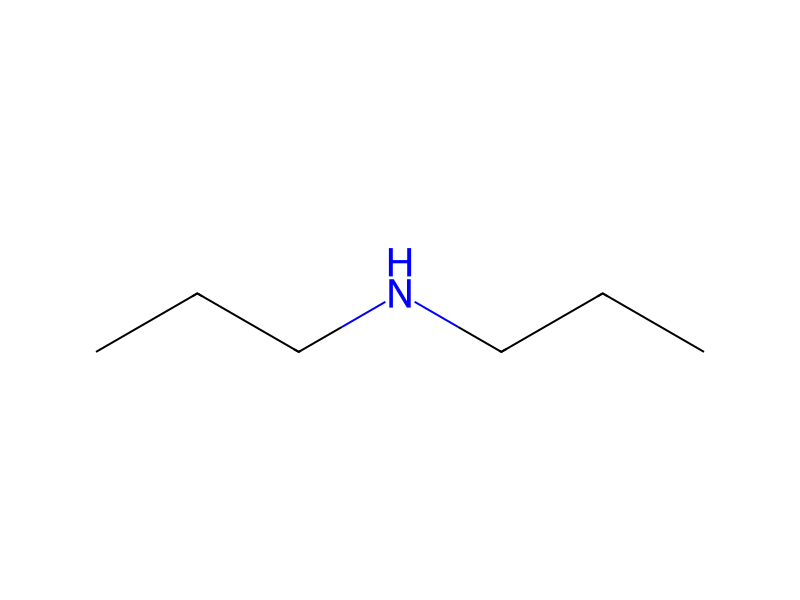
The compound (263 mg) obtained in Example 124-1 was dissolved in THF (2.0 ml) and then added with distilled water (2.0 ml) and acetic acid (2.0 ml), followed by stirring overnight at room temperature. After completion of the reaction, the solvent was distilled off and the residue was obtained. Dipropylamine (253 mg) was dissolved in anhydrous methanol (5.0 ml). Then sodium cyanoborohydride (69.5 mg), acetic acid (3.0 ml), and the residue described above dissolved in anhydrous methanol were added to the solution, followed by stirring at room temperature for 3 days under a nitrogen atmosphere. After completion of the reaction, the solvent was distilled off. The residue was dissolved in chloroform and added with a saturated aqueous sodium bicarbonate solution, followed by stirring. Then, the solution was subjected to extraction with chloroform. The extract was washed with a saturated aqueous sodium bicarbonate solution and saturated saline solution. The organic layer was dried with anhydrous sodium sulfate. The solvent was distilled off and the residue was then purified through silica gel column chromatography (hexane/ethyl acetate), thereby obtaining the subject compound (70.0 mg) as a yellow oily substance.