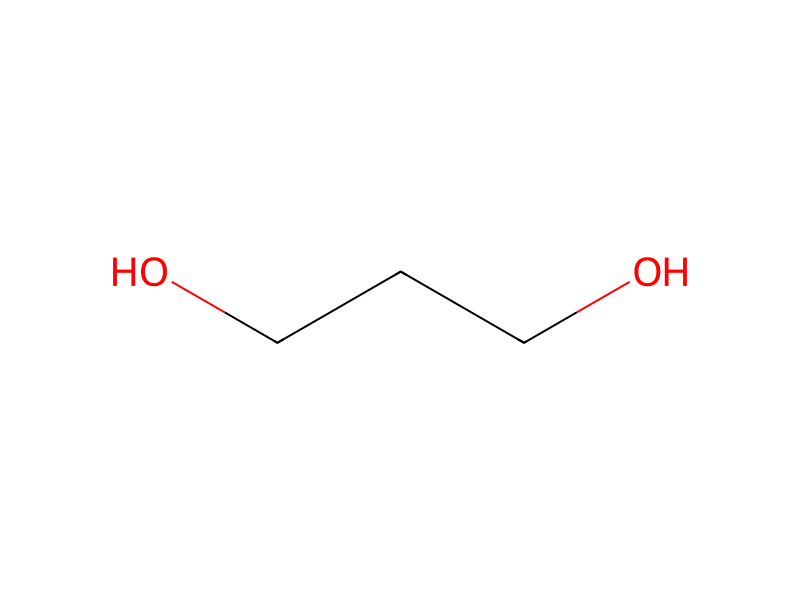
A mixture of 4-bromo-2,6-dimethylbenzaldehyde (2.51 g, 12 mmol), 4-methyl-benzenesulfonic acid (0.20 g, 1.2 mmol), and propane-1,3-diol (1.2 mL, 16 mmol) in toluene (200 mL) was heated under nitrogen at 140° C. for 16 h, using a Dean-Stark trap to remove water. The reaction solution was then cooled to 25° C., diluted with EtOAc (200 mL), and sequentially washed with saturated aqueous sodium bicarbonate solution (100 mL) and brine (100 mL). The organic layer was separated, dried over MgSO4, filtered, and concentrated in vacuo to provide a yellow-brown oil. Hexane (200 mL) was added to the oil, and the resulting mixture was stirred vigorously for 10 min, resulting in the precipitation of a solid. This solid was collected by vacuum filtration, washed with hexanes (100 mL), and dried in vacuo to provide 2-(4-bromo-2,6-dimethylphenyl)-1,3-dioxane as a tan solid.