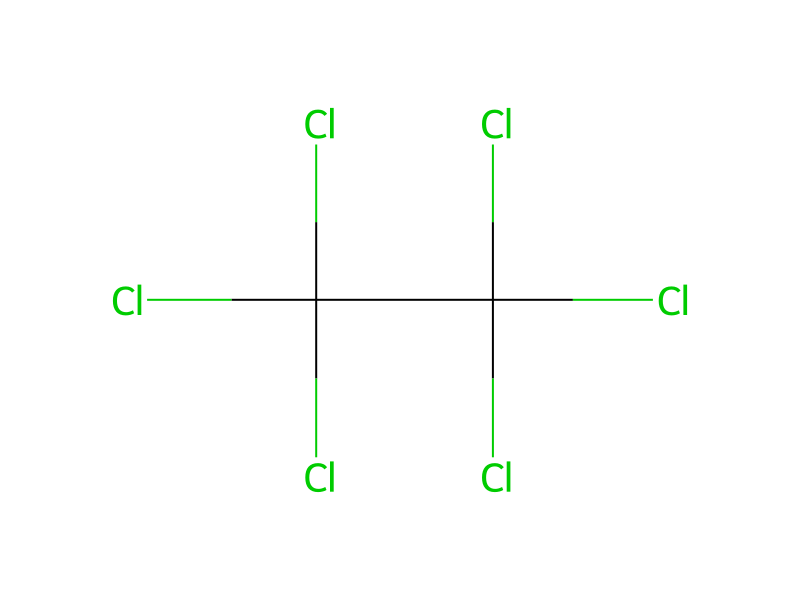
To a solution of N-(6-chloropyridin-2-yl)pivalamide (2.00 g, 9.40 mmol) in 25 mL THF at −78° C. was added butyllithium 2.5 M in hexanes (9.40 mL, 23.5 mmol) slowly dropwise over 2 min After 5 min, the reaction mixture was warmed to 0° C., then back to −10° C. (ice/brine) and to −20° C. (ice/salt). The reaction mixture was allowed to stir at this temp for 1.5 h. The reaction mixture was cooled to −78° C. and a solution of hexachloroethane (3.34 g, 14.1 mmol) in 7.5 mL THF was added dropwise via syringe. The bath was removed and the reaction mixture warmed to ambient temperature. The reaction mixture was partitioned between satd NH4Cl and Et2O. The organic layer was washed with water once, brine once, and the organics were dried over anhydrous sodium sulfate, filtered, and concentrated in vacuo. The material was dissolved in DCM and purified by silica gel chromatography, 80 g, 5-50% EA/hexanes. Product-containing fractions were combined and concentrated to give N-(3,6-dichloropyridin-2-yl)pivalamide as a solid. MS (ESI) m/z: calculated: 246.0; Observed: 247.0 (M++1).