Trifluoroacetic acid → An inositol
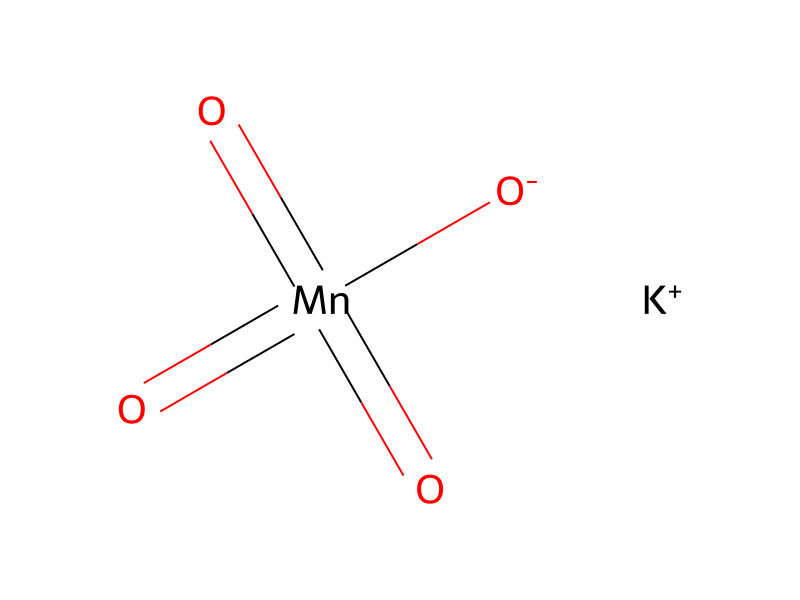
反応式

C[C@H]1O[C@H]([O:8][CH:9]2[C@@H:14]([OH:15])[C@@H:13]([OH:16])[CH:12]([OH:17])[C@H:11]([OH:18])[C@H:10]2[OH:19])[C@@H](N)C[C@@H]1N=C(N)C(O)=O.Cl.FC(F)(F)C(O)=O.[Mn]([O-])(=O)(=O)=O.[K+].C[C@H]1O[C@H](O[C@@H]2[C@@H](O)[C@@H](O)[C@H](O)[C@H](O)[C@H]2O)[C@@H](N)C[C@@H]1NC(C(O)=O)=N>O.C(O)(=O)C>[CH:9]1([OH:8])[CH:10]([OH:19])[CH:11]([OH:18])[CH:12]([OH:17])[CH:13]([OH:16])[CH:14]1[OH:15]