反応式

C([O-])(=O)C.[Na+].C1N(CCS(O)(=O)=O)CCN(CCS(O)(=O)=O)C1.C1N(CCCS(O)(=O)=O)CCN(CCO)C1.C([O-])(=O)C.[O:44]=[CH:45][C@@H:46]([C@H:48]([C@@H:50]([C@@H:52]([CH2:54][OH:55])[OH:53])[OH:51])[OH:49])[OH:47]>C1N(CCCS(O)(=O)=O)CCOC1.C1(C=CC=C(O)C=1)O.[NH4+].[O-]S([O-])(=O)=O.[O-]S([O-])(=O)=O.[Fe+3].Cl.O>[OH:44][CH2:45][C:46]([C@H:48]([C@@H:50]([C@@H:52]([CH2:54][OH:55])[OH:53])[OH:51])[OH:49])=[O:47]参加物
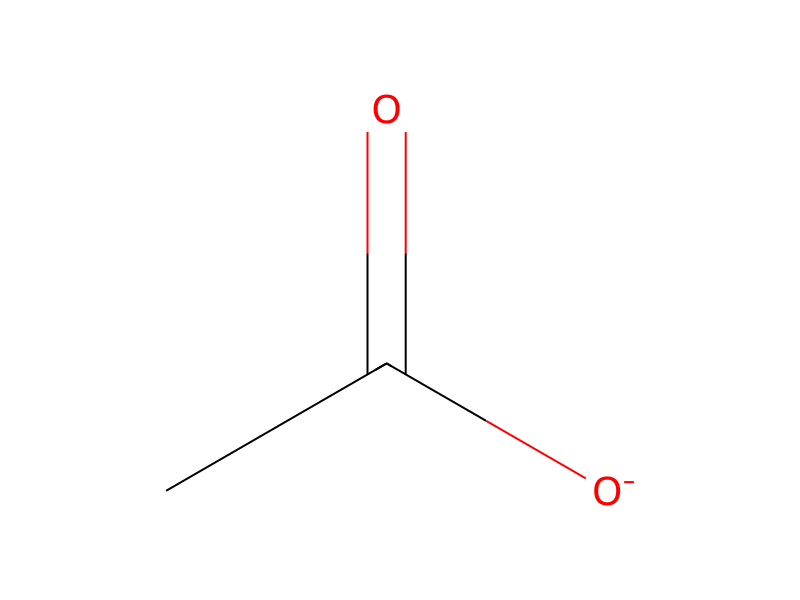

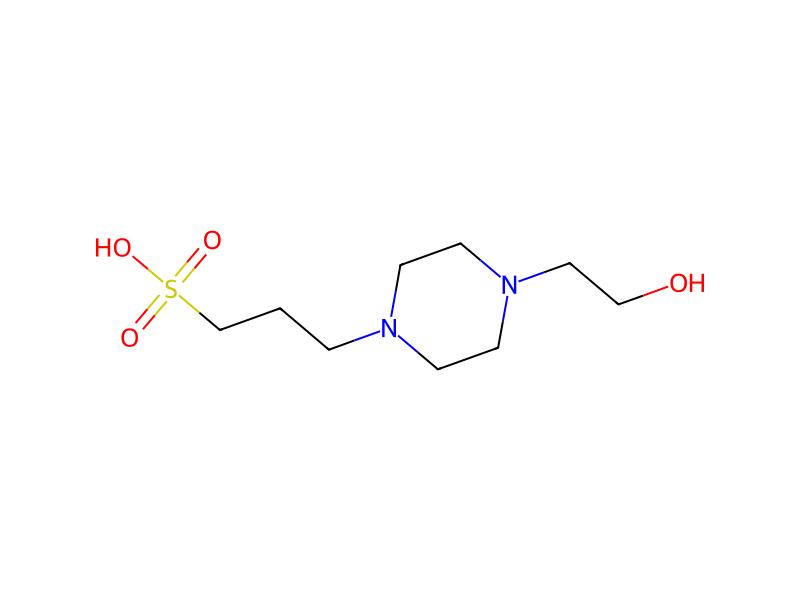


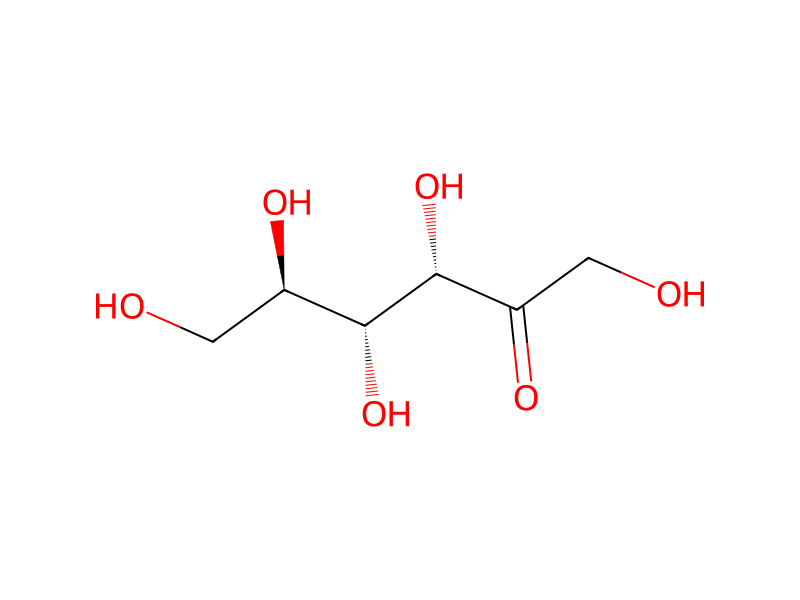



実験手順
Glucose isomerase assays: TNXI and its mutants were assayed routinely with glucose as the substrate. The enzyme (1–1.5 mg/ml) was incubated in 100 mM MOPS (pH 7.0) [or 100 mM sodium acetate (pH 5.5)] containing 1 mM CoCl2 and 0.4 M glucose at 80° C. for 10 min. The reaction was stopped by transferring the tube to an ice bath. The amount of fructose produced was determined by the resorcinol-ferric ammonium sulfate-hydrochloric acid method (Schenk and Bisswanger, 1998). To determine the effect of temperature on activity, the enzymes were incubated in the reaction mixture at the temperatures of interest in a heated water (45–95° C.) or oil bath (95–110° C.) for 10 min. The effect of pH on activity was determined using the routine assay described above except that the MOPS buffer was substituted with 100 mM sodium acetate (pH 4.3–5.8), 100 mM PIPES (pH 6.1–7.0), or 100 mM EPPS (pH 7.2–8.1). All pHs were adjusted at room temperature, and the ΔpKa/Δt's for acetate, PIPES, and EPPS (0,–0.0085, and −0.011, respectively) (USB, Cleveland, Ohio) were taken into account for the results. To determine the kinetic parameters, assays were performed in 50 mM MOPS (pH 7.0) containing 10–1,500 mM glucose and 1 mM CoCl2. One unit of glucose isomerase activity is defined as the amount of enzyme that produces 1 μmol of fructose per minute under the assay conditions.
後処理
- customwere adjusted at room temperature
出典と根拠
- ORDレコード
- ord-38f154e95b3e463d8781f9dee8be7e72
- 出典データセット
- uspto-grants-2007_04
- 特許番号
- US07198933B2
関連ノート
読み込み中…