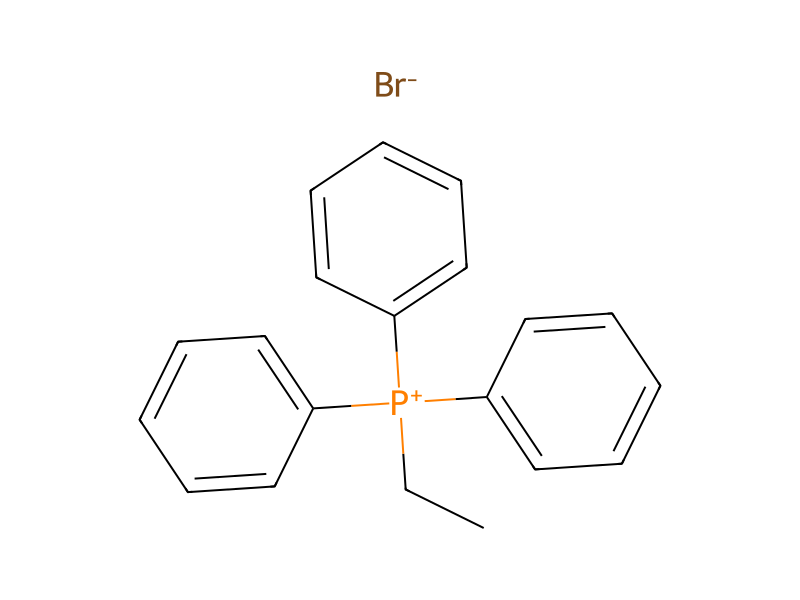
To a mixture of dimethyl sulfoxide (80 mL) and tetrahydrofuran (200 mL) was added sodium hydride (6.0%, oil, 1.81 g) at room temperature and the mixture was stirred at 50° C. for 1.5 hrs. After allowing the reaction mixture to cool to room temperature, ethyl triphenylphosphonium bromide (13.66 g) was added and the mixture was stirred at room temperature for 30 min. A solution (20 mL) of 4-methoxymethoxymethyl-2-phenyl-5-oxazolecarbaldehyde (7.0 g) in dimethyl sulfoxide was added to the reaction mixture and the mixture was heated under reflux for 1 hr. Water was added to the reaction mixture, and the mixture was neutralized with 1N hydrochloric acid and extracted with ethyl acetate. The organic layer was washed with saturated brine, dried over anhydrous magnesium sulfate, and concentrated. The obtained residue was subjected to silica gel column chromatography to give an oil from a fraction eluted with ethyl acetate-hexane (1:6, v/v). A mixture of the obtained oil, 5% palladium carbon (2.0 g) and tetrahydrofuran (200 mL) was subjected to catalytic hydrogenation at room temperature and 1 atm. After filtering off the catalyst, the solvent was evaporated under reduced pressure to give 4-methoxymethoxymethyl-2-phenyl-5-propyloxazole as a colorless oil (2.65 g, 36%).