ホームMCPワークベンチSkills
ホームワークベンチ通知マイページ
llms.txt · MCPガイドプライバシーポリシー · 利用規約 · サポートv1.8.3
  1. ホーム
  2. /反応

Carbamic Acid → (s,s)-n-{1-[1-(5-Fluoro-2,3-dihydro-indol-1-ylmethyl)-3-ureido-propylcarbamoyl]-3-methyl-butyl}-3-methyl-benzamide

HRID 132140
印刷

反応式

HRID 132140 の反応式
[F:1][C:2]1[CH:3]=[C:4]2[C:8](=[CH:9][CH:10]=1)[N:7]([CH2:11][C@@H:12]([NH:18][C:19](=[O:35])[C@@H:20]([NH:25][C:26](=[O:34])[C:27]1[CH:32]=[CH:31][CH:30]=[C:29]([CH3:33])[CH:28]=1)[CH2:21][CH:22]([CH3:24])[CH3:23])[CH2:13][CH2:14]C(O)=O)[CH2:6][CH2:5]2.C1(P(N=[N+]=[N-])(C2C=CC=CC=2)=O)C=CC=CC=1.C([N:55](CC)CC)C.[N-:60]=[C:61]=[O:62].C(=O)(O)N.[N-]=[N+]=[N-]>CC(O)(C)C>[F:1][C:2]1[CH:3]=[C:4]2[C:8](=[CH:9][CH:10]=1)[N:7]([CH2:11][C@@H:12]([NH:18][C:19]([C@@H:20]([NH:25][C:26](=[O:34])[C:27]1[CH:32]=[CH:31][CH:30]=[C:29]([CH3:33])[CH:28]=1)[CH2:21][CH:22]([CH3:23])[CH3:24])=[O:35])[CH2:13][CH2:14][NH:60][C:61]([NH2:55])=[O:62])[CH2:6][CH2:5]2

参加物反応条件実験手順後処理出典と根拠反応ノート

参加物

8

反応物 6

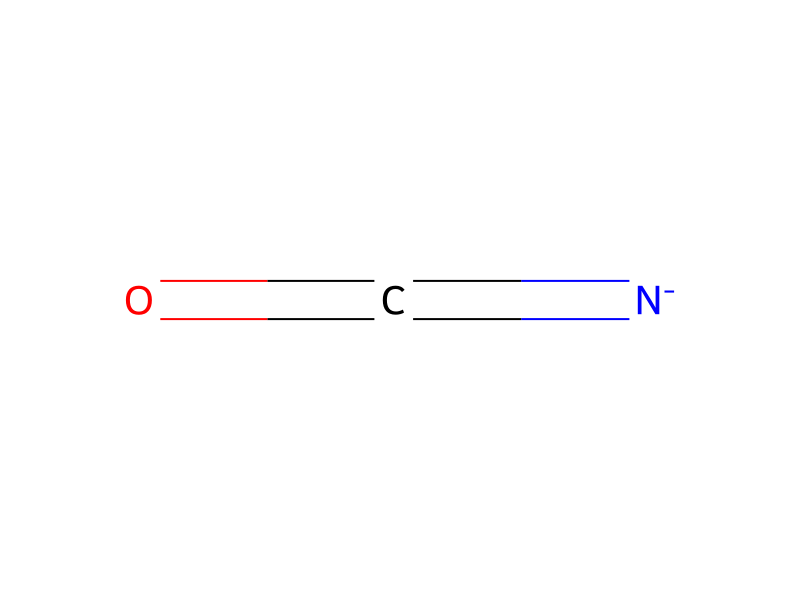
HCID 277Carbamic AcidHCID 8471TriethylamineHCID 33558AzideHCID 105034IsocyanateHCID 199401P,P-Diphenylphosphinic azideHCID 11386148(s,s)-5-(5-Fluoro-2,3-dihydro-indol-1-yl)-4-[4-methyl-2-(3-methyl-benzoylamino)-pentanoylamino]-pentanoic acid

生成物 1

HCID 11283381
(s,s)-n-{1-[1-(5-Fluoro-2,3-dihydro-indol-1-ylmethyl)-3-ureido-propylcarbamoyl]-3-methyl-butyl}-3-methyl-benzamide
収率 20%

試薬・触媒・溶媒 1

HCID 6386tert-Butanol溶媒

反応条件

温度
90 °C

実験手順

The title compound of Example 43 (58.8 mg, 121 μmol) was treated with tBuOH (2 mL), diphenylphosphoryl azide (70 mg, 254 μmol) and triethylamine (60 mg, 592 mmol). The reaction was heated at 90° C. for 3 hours and cooled to rt. HPLC-MS analysis indicated that the Curtius rearrangement had occurred, but that the intermediate isocyanate had been hydrolyzed to the carbamic acid and activated as the azide rather than being intercepted by the alcohol. The solvent was removed and the reaction was extractively worked up with ethyl acetate and water, dried over MgSO4 and rotary evaporated. The residue was treated with concentrated ammonia and allowed to stir overnight. The reaction was again extractively worked up and then chromatographed on silica gel using DCM an MeOH as eluent to afford the title material (12 mg, 20%); 1H NMR (CDCl3, 400 MHz) δ 0.88 (d, 3H, J=6.3), 0.91 (d, 3H, J=6.3), 1.55-1.80 (m, 4H), 1.85-1.95 (m, 1H), 2.37 (s, 3H), 2.90-3.03 (m, 3H), 3.06-3.26 (m, 2H), 3.37 (dd, 1H, J1=8.7, J2=17.1), 3.48-3.61 (m, 2H), 4.01-4.26 (m, 1H), 4.26-4.38 (m, 1H), 4.50 (dd, 1H, J1=7.7, J2=15.0), 6.00-6.20 (m, 1H), 6.49 (dd, 1H, J1=4.0, J2=8.4), 6.74 (ddd, 1H, J1=2.5, J2=J3=8.9), 6.78-6.83 (m, 1H), 7.16-7.20 (m, 1H), 7.23-7.37 (m, 3H), 7.50-7.57 (m, 2H).

後処理

  1. temperaturecooled to rt
  2. customThe solvent was removed
  3. dry with materialdried over MgSO4 and rotary evaporated
  4. additionThe residue was treated with concentrated ammonia
  5. customchromatographed on silica gel

出典と根拠

ORDレコード
ord-ec7b61ff3efe4d9abdb1ea600d3d8620
出典データセット
uspto-grants-2008_06
DOI
10.6084/m9.figshare.5104873.v1
特許番号
US07384970B2

反応ノート

このページの内容参加物反応条件実験手順後処理出典と根拠反応ノート