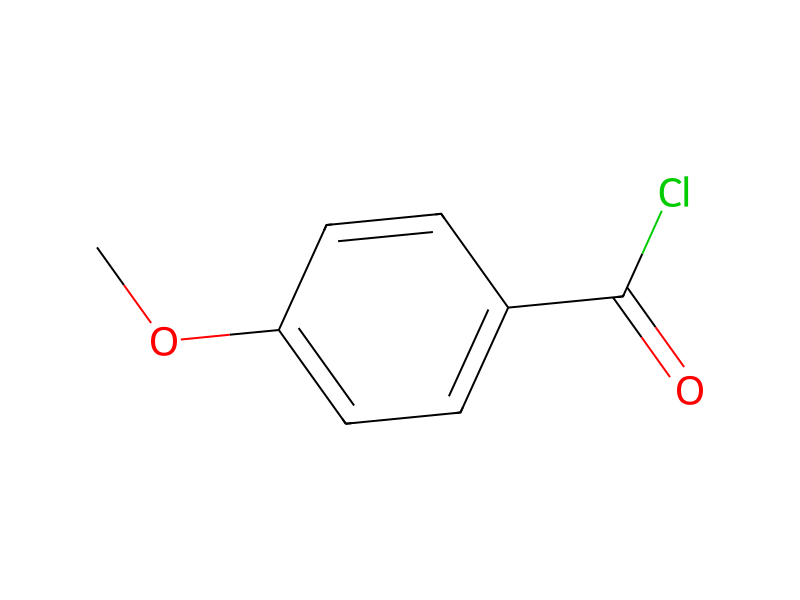
A solution of N4-(tert-butyloxycarbonyl)-3,4-pyridine-diamine (500 mg, 2.40 mmol) and pyridine (0.213 mL, 2.63 mmol) in methylene chloride (12 mL) was treated with p-anisoyl chloride (408 mg, 2.40 mmol). After 0.75 hr, the mixture was poured into a mixture of ethyl acetate and 1 N aqueous sodium hydroxide. The organic layer was washed with saturated sodium chloride, dried (magnesium sulfate), and filtered. Concentration in vacuo and recrystallization of the residue, followed by flash chromatography (silica gel, hexanes/ethyl acetate) yielded 500 mg (60%) of the title compound.