反応式

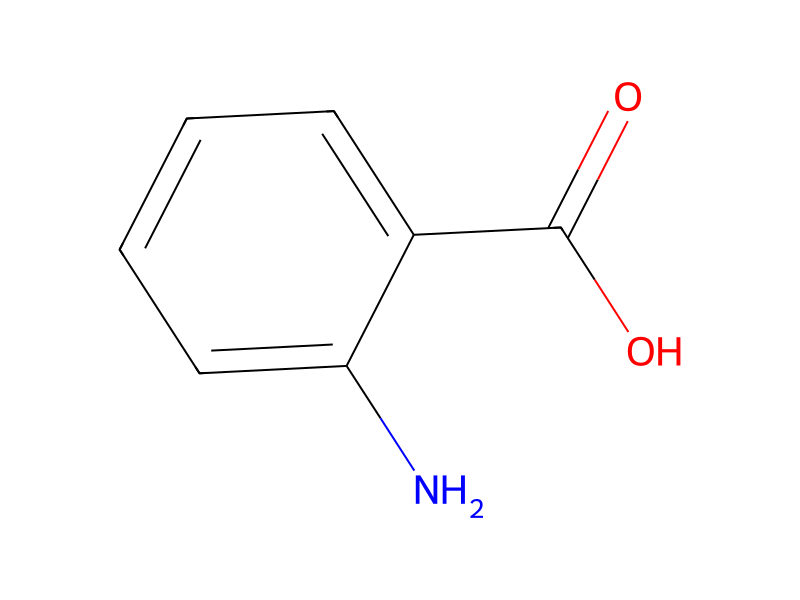
[C:1]([OH:10])(=[O:9])[C:2]1[C:3](=[CH:5][CH:6]=[CH:7][CH:8]=1)[NH2:4].[CH2:11]=O.[H][H]>>[CH3:11][NH:4][C:3]1[C:2](=[CH:8][CH:7]=[CH:6][CH:5]=1)[C:1]([OH:10])=[O:9]参加物



実験手順
At least two processes for the preparation of the subject compound are known in the prior art. In one such process anthranilic acid is used as the starting compound and reacted with formaldehyde and hydrogen as described in J. Soc. Org. Synthetic Chem. (Japan) 11,434 (1953), Chem. Abst. 49, 955a (1955), to produce N-methylanthranilic acid. This resulting intermediate is thereafter reacted with thionyl chloride and methanol to produce the desired methyl N-methylanthranilate. This step is described in Aust. J. Chem. 27, 537 (1974). The disadvantages of this process lie in the use of a relatively expensive starting material and the relatively poor yields of final product. Typical reported reaction yields based on the starting compound amount to about 36% overall for the two steps.
後処理
- customAt least two processes for the preparation of the subject compound
出典と根拠
- ORDレコード
- ord-3818787d25e649d68cc025fc8c94109e
- 出典データセット
- uspto-grants-1986_04
- 特許番号
- US04582922
関連ノート
読み込み中…