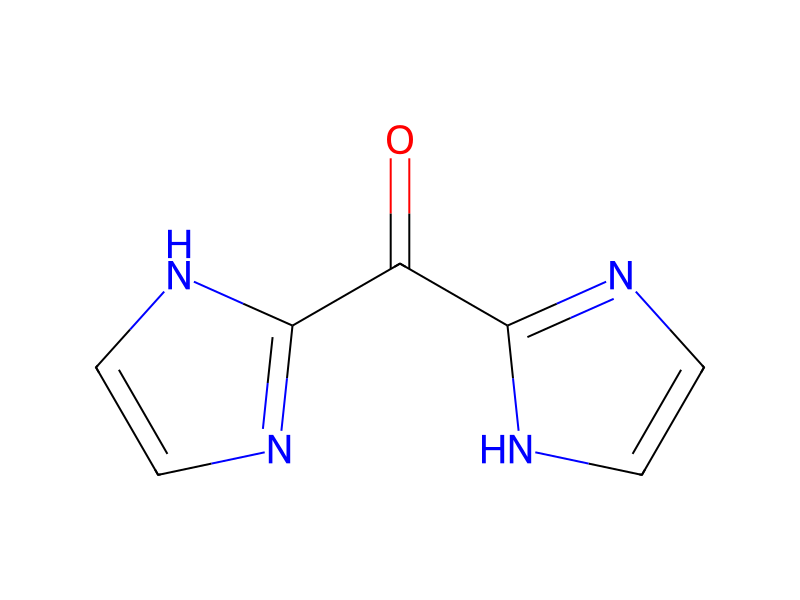
C(C1NC=CN=1)(C1NC=CN=1)=O.[CH3:13][N:14]1[CH2:19][CH2:18][N:17]([C:20]2[CH:28]=[CH:27][CH:26]=[C:25]3[C:21]=2[CH:22]=[C:23]([C:29]([OH:31])=[O:30])[NH:24]3)[CH2:16][CH2:15]1.[F:32][C:33]1[CH:38]=[CH:37][C:36](O)=[CH:35][CH:34]=1.[H-].[Na+]>O1CCCC1.C(OCC)(=O)C>[CH3:13][N:14]1[CH2:19][CH2:18][N:17]([C:20]2[CH:28]=[CH:27][CH:26]=[C:25]3[C:21]=2[CH:22]=[C:23]([C:29]([O:31][C:36]2[CH:37]=[CH:38][C:33]([F:32])=[CH:34][CH:35]=2)=[O:30])[NH:24]3)[CH2:16][CH2:15]1A solution of carbonyl diimidazole (0.95 g, 5.86 mmol, 2.1 equivalents) and 4-(4-Methylpiperazin-1 yl)indole-2-carboxylic acid (0.710 g, 2.74 mmol) in anhydrous tetrahydrofuran (5 mL) was heated at 50° C. under nitrogen for 5 hours. The reaction was cooled to room temperature, and a preformed solution of 4-fluorophenol (2.90 g, 25.9 mmol, 9.4 equivalents) and sodium hydride (60% in oil, 1.17 g, 29.2 mmol, 10,7 equivalents) in anhydrous tetrahydrofuran (15 mL) was added rapidly. The resulting reaction solution was stirred at room temperature under nitrogen for 12 hours. Ethyl acetate (50 mL) was added to the reaction solution, and the resulting solution was extracted with a saturated solution of sodium hydrogen carbonate (2×25 mL). The organic layer was dried (magnesium sulfate), and evaporated under reduced pressure. The residue was chromatographed using silica gel (approximately 100 g) and elution with 20% methanol in ethyl acetate to afford crude 4-methyl-1-(2-(4-fluorophenoxycarbonyl)-1H-indol-4-yl)piperazine (0.225 g, 0.68 mmol crude, 25% crude).