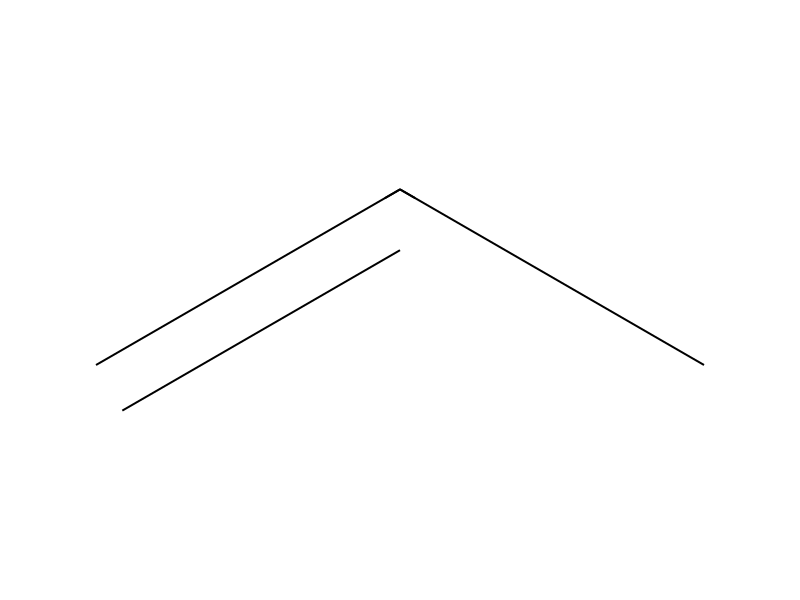
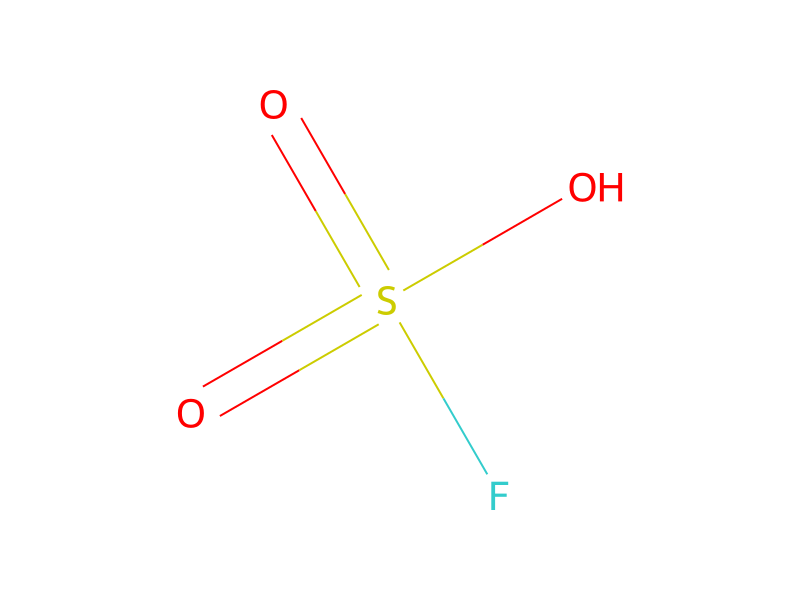
Ten grams (0.100 moles) of fluorosulfuric acid is placed in a flask equipped with a dry ice condenser and maintained at -78° (dry ice/isopropanol bath) under an atmosphere of dry nitrogen. To this is added about 25 ml of propylene with moderate stirring giving an orange-colored solution. The reaction mixture is stirred for 15 min. and then diluted with 100 ml of methylene chloride, precooled to -50° C. To this is added at once 15.6 g (0.100 moles) of 2-chlorobenzamide and the mixture stirred at ambient temperature for 18 hrs. giving a deep purple-red solution. The reaction mixture is then poured into 300 ml. of 1 N sodium hydroxide with rapid stirring. After standing briefly the layers are separated. Dilution with saturated sodium chloride solution and methylene chloride facilitates separation of the layers. The turbid organic phase is dried (Na2SO4), filtered through celite filter aid, and the solvent removed in vacuo. The residue is triturated with hexane (Skellysolve B®) and filtered, thereby removing any unreacted 2-chlorobenzamide. The filtrate is distilled under reduced pressure to afford 1-methylethyl 2-chlorobenzenecarboximidate as an oil.