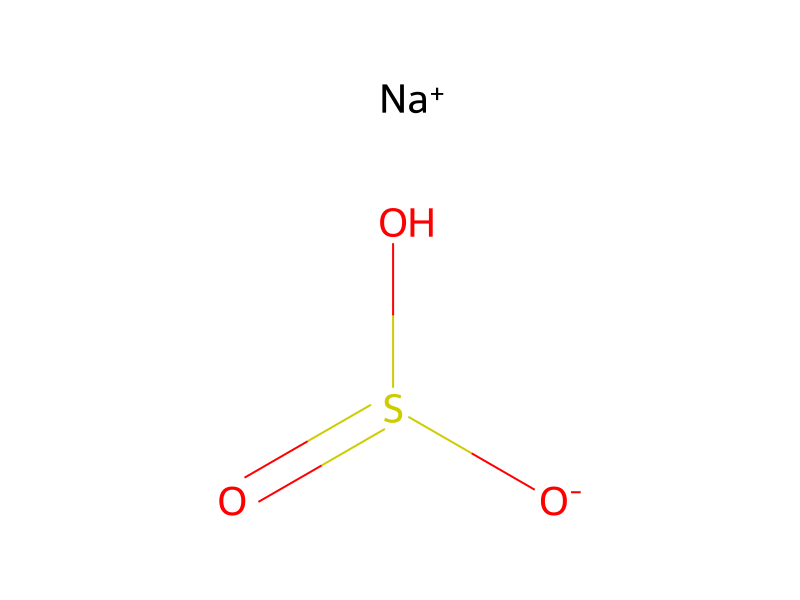
[C:1]([C:5]1[C:14]2[C:9](=[C:10]([C:19]([CH3:22])([CH3:21])[CH3:20])[CH:11]=[CH:12][C:13]=2[C:15]([CH3:18])([CH3:17])[CH3:16])[C:8]([C:23]([CH3:26])([CH3:25])[CH3:24])=[CH:7][CH:6]=1)([CH3:4])([CH3:3])[CH3:2].S(=O)(O)[O-:28].[Na+].[OH2:32]>N1C=CC=CC=1.[Os](=O)(=O)(=O)=O>[C:19]([C:10]1[C:11](=[O:28])[C:12](=[O:32])[C:13]([C:15]([CH3:18])([CH3:17])[CH3:16])=[C:14]2[C:9]=1[C:8]([C:23]([CH3:26])([CH3:25])[CH3:24])=[CH:7][CH:6]=[C:5]2[C:1]([CH3:4])([CH3:3])[CH3:2])([CH3:22])([CH3:21])[CH3:20]One stoichiometric equivalent of 1,4,5,8-tetra-t-butyl-naphthalene and one equivalent of osmium tetraoxide (OsO4) in pyridine are stirred for several hours at room temperature (about 20°-25° C). A solution of excess sodium bisulfite (NaHSO3) in pyridine and water is added with stirring. The resulting crude product is extracted with methylene chloride (H2CCL2) and is purified by chromatography on alumina. A resulting 1,4,5,8-tetra-t-butyl-2,3-dihydronaphthalene-2,3-diol is treated with excess copper sulfate (CuSO4) in pyridine and water, is heated to 90° C for several hours, and then is cooled. The mixture is diluted with water and is extracted with an organic solvent (e.g., diethylether, chloroform, or methylene chloride). The solvent is evaporated and the crude product purified by chromatography on alumina to obtain 1,4,5,8-tetra-t-butyl-2,3-dihydronaphthalene-2,3-dione (1,4,5,8-tetra-t-butyl-2,3-naphthoquinone).