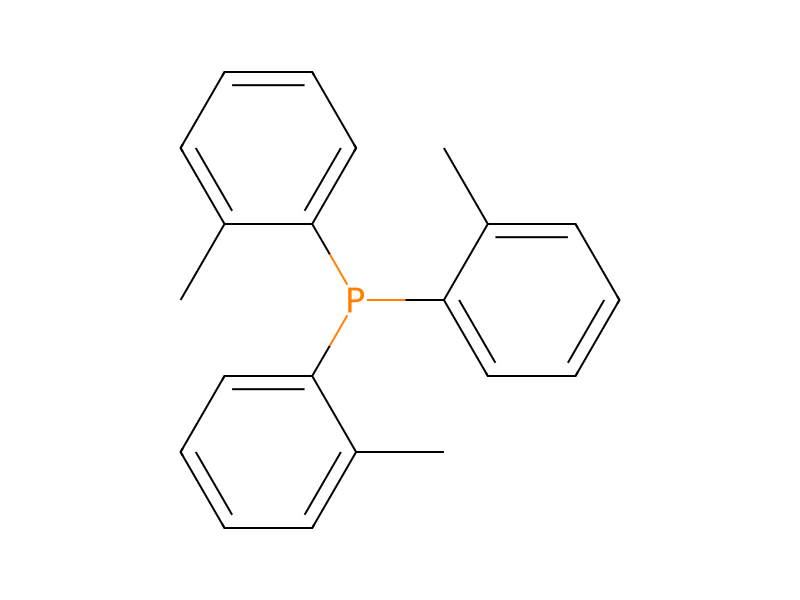
[NH2:1][C:2]1[C:3](Br)=[N:4][CH:5]=[CH:6][CH:7]=1.[C:9]([O:13][C:14]([CH3:17])([CH3:16])[CH3:15])(=[O:12])[CH:10]=[CH2:11].C1(C)C=CC=CC=1P(C1C=CC=CC=1C)C1C=CC=CC=1C.C(N(CC)CC)C>C(#N)C.C([O-])(=O)C.[Pd+2].C([O-])(=O)C>[NH2:1][C:2]1[C:3](/[CH:11]=[CH:10]/[C:9]([O:13][C:14]([CH3:17])([CH3:16])[CH3:15])=[O:12])=[N:4][CH:5]=[CH:6][CH:7]=1950 mg (4.94 mmol) of the bromide from Example 5A, 1900 mg (14.83 mmol) of tert-butyl acrylate, 330 mg (1.50 mmol) of palladium(II) acetate, 450 mg (1.50 mmol) of tri-ortho-tolylphospine are dissolved in 15 ml of acetonitrile, and 1000 mg (9.88 mmol) of triethylamine are added. The mixture is stirred under reflux for 16 h. The reaction mixture is concentrated, mixed with ethyl acetate and washed with saturated aqueous sodium chloride solution. The organic phase is dried over sodium sulphate, filtered, concentrated and purified by column chromatography on silica gel with cyclohexane/ethyl acetate (7:3). 95 mg (6% of theory) of product are obtained.