Lithium Hydroxide → Hydroxylapatite (Ca5(OH)(PO4)3)
HRID 1460937
反応式

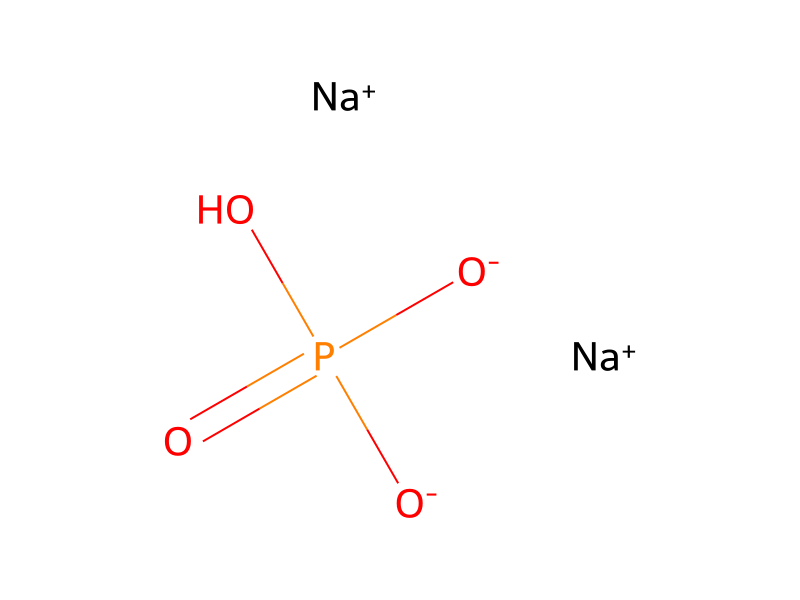
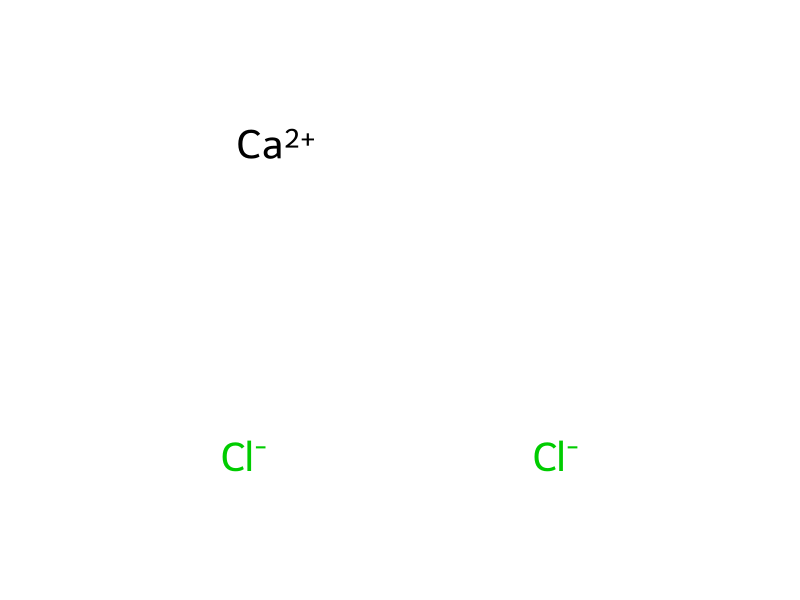
[Cl-].[Ca+2:2].[Cl-].[P:4]([OH:8])([O-:7])([O-:6])=[O:5].[Na+].[Na+].[OH-].[Li+]>>[OH-:5].[O-:6][P:4]([O-:8])([O-:7])=[O:5].[O-:6][P:4]([O-:8])([O-:7])=[O:5].[O-:6][P:4]([O-:8])([O-:7])=[O:5].[Ca+2:2].[Ca+2:2].[Ca+2:2].[Ca+2:2].[Ca+2:2]参加物
4


実験手順
Reaction was carried out under the same conditions as in Example 2 except that concentration of an aqueous calcium chloride solution and that of an aqueous disodium phosphate solution were changed to 1 mol/l and that of an aqueous lithium hydroxide solution was changed to 2 mol/l, thereby to obtain hydroxylapatite in the form of hexagonal prismatic crystal [referred to as "hydroxylapatite (E)"].
後処理
- customReaction
出典と根拠
- ORDレコード
- ord-76fe314b394e4e83a0a62c6815e0131f
- 出典データセット
- uspto-grants-1991_12
- 特許番号
- US05073357