ホームMCPワークベンチSkills
ホームワークベンチ通知マイページ
llms.txt · MCPガイドプライバシーポリシー · 利用規約 · サポートv1.8.3
  1. ホーム
  2. /反応

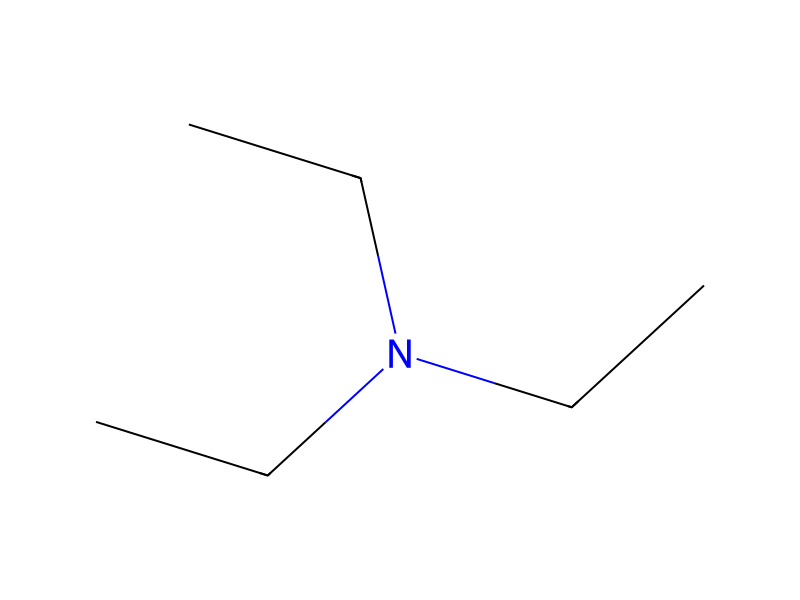
Triethylamine → N-[2-bromo-6-chloro-4-(1,1,1,2,3,3,3-heptafluoro-prop-2-yl)phenyl]-2-fluoro-3-nitro-benzamide

HRID 1476678
印刷

反応式

HRID 1476678 の反応式
[Br:1][C:2]1[CH:8]=[C:7]([C:9]([F:18])([C:14]([F:17])([F:16])[F:15])[C:10]([F:13])([F:12])[F:11])[CH:6]=[C:5]([Cl:19])[C:3]=1[NH2:4].C(N(CC)CC)C.[F:27][C:28]1[C:36]([N+:37]([O-:39])=[O:38])=[CH:35][CH:34]=[CH:33][C:29]=1[C:30](Cl)=[O:31].[OH-].[Na+]>CN(C)C1C=CN=CC=1.O1CCCC1>[Br:1][C:2]1[CH:8]=[C:7]([C:9]([F:18])([C:10]([F:13])([F:12])[F:11])[C:14]([F:15])([F:16])[F:17])[CH:6]=[C:5]([Cl:19])[C:3]=1[NH:4][C:30](=[O:31])[C:29]1[CH:33]=[CH:34][CH:35]=[C:36]([N+:37]([O-:39])=[O:38])[C:28]=1[F:27]
参加物反応条件実験手順後処理出典と根拠反応ノート

参加物

7

反応物 4

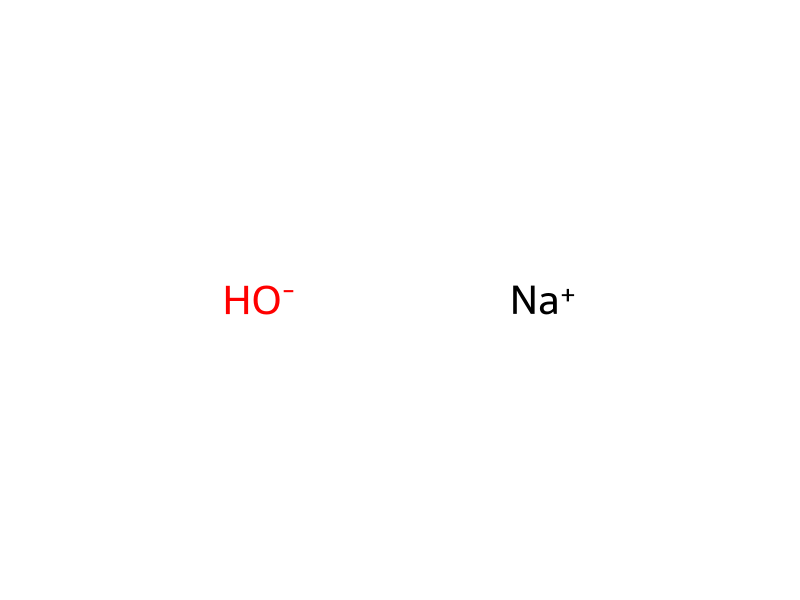
HCID 8471TriethylamineHCID 14798Sodium HydroxideHCID 510001272-Fluoro-3-nitrobenzoyl chlorideHCID 870880862-Bromo-6-chloro-4-[1,2,2,2-tetrafluoro-1-(trifluoromethyl)ethyl]aniline

生成物 1

HCID 117636208N-[2-bromo-6-chloro-4-(1,1,1,2,3,3,3-heptafluoro-prop-2-yl)phenyl]-2-fluoro-3-nitro-benzamide

試薬・触媒・溶媒 2

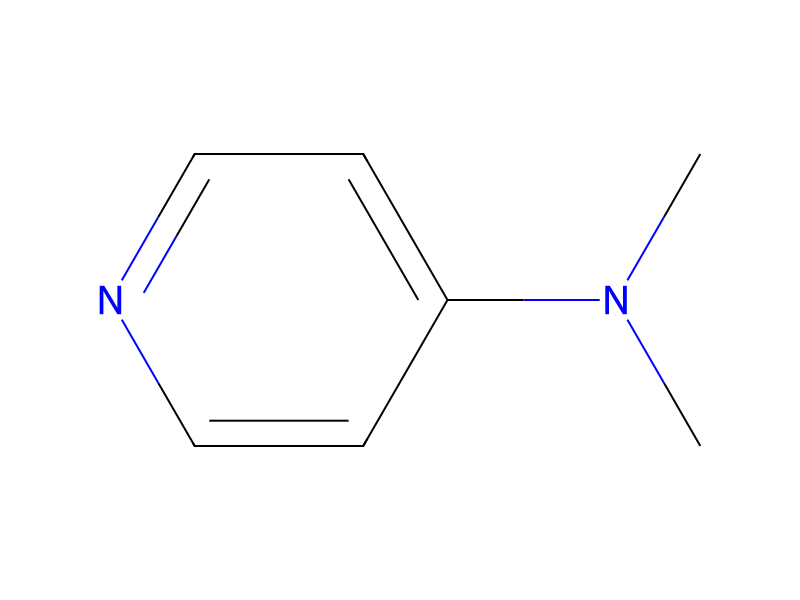
HCID 142844-(Dimethylamino)pyridine触媒
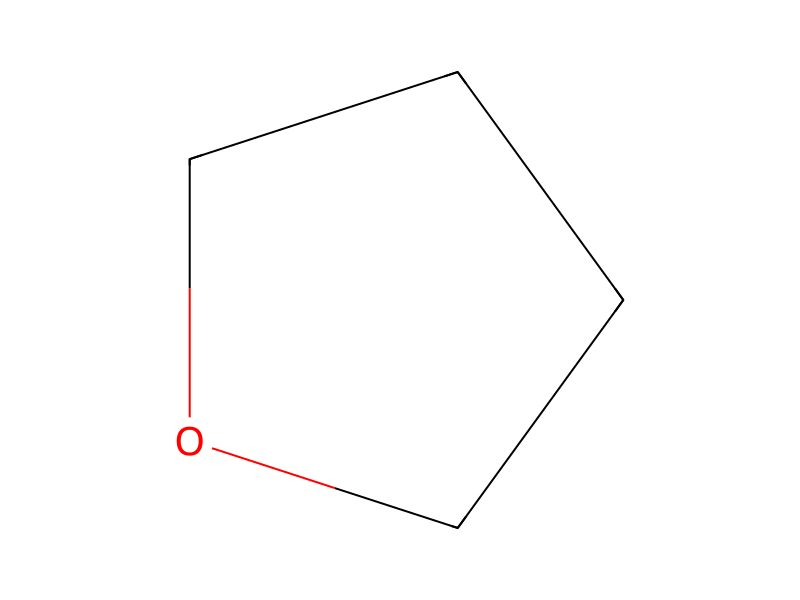
HCID 8028Tetrahydrofuran溶媒

反応条件

温度
20 °C

実験手順

In a dried 4.5 l reactor equipped with mechanical stirrer, thermometer, reflux condenser, 1 liter dropping funnel, under inert atmosphere, was dissolved 2-bromo-6-chloro-4-(1,1,1,2,3,3,3-heptafluoro-prop-2-yl)aniline (described in WO/10127926) (177 g, 0.473 mol, 1 equiv.) in anhydrous tetrahydrufurane (800 ml) at 20° C. Triethylamine (143 g, 1.418 mol, 3 equival.) and 4-dimethylaminopyridine (0.58 g, 4.73 mmol, 0.01 equiv.) were added. To the dark red solution was added, under stirring, a solution of 2-fluoro-3-nitro-benzoyl chloride (0.993 mol, 2.1 equiv.) in tetrahydrofurane (800 ml). After the addition, the orange suspension was heated with an oil bath to reflux temperature for four days. The reaction progression was monitored by LC-MS analysis of the reaction mixture. After almost complete conversion to the corresponding imide, the reaction mixture was concentrated under reduced pressure and the residue was taken up in dichloromethane (1 l) and carefully treated, under stirring, with a saturated aqueous solution of sodium hydrogenocarbonate (500 ml). After the gas evolution had ceased, the layers were separated and the organic layer was concentrated under reduced pressure. The residue was taken up in tetrahydrofurane (1 l) and treated with 2 N aqueous sodium hydroxide (470 ml, 0.94 mol, 2 equiv.) at 20° C. in order to hydrolyze the intermediate imide. The reaction was followed by LC-MS analysis. After 30 minutes, the reaction mixture was concentrated under reduced pressure and the resulting aqueous mixture was extracted with ethyl acetate (1 l). The aqueous phase was further extracted with three portions of ethyl acetate (200 ml each) and the combined organic extracts were dried over sodium sulfate and evaporated to dryness. The crude product was dissolved in methanol (1.5 l) at 50° C. Water (600 ml, at 50° C.) was added. A suspension formed, that was stirred until cooled to 20° C., then filtered. The residue was washed three times with 300 ml of a mixture of methanol/water:5/1. After drying, the titel compound was isolated as brown crystals with a melting point of 177-180° C.

後処理

  1. customIn a dried 4.5 l reactor equipped with mechanical stirrer
  2. temperaturethermometer, reflux condenser
  3. additionTo the dark red solution was added
  4. additionAfter the addition
  5. temperaturethe orange suspension was heated with an oil bath
  6. temperatureto reflux temperature for four days
  7. concentrationAfter almost complete conversion to the corresponding imide, the reaction mixture was concentrated under reduced pressure
  8. additioncarefully treated
  9. stirringunder stirring, with a saturated aqueous solution of sodium hydrogenocarbonate (500 ml)
  10. customthe layers were separated
  11. concentrationthe organic layer was concentrated under reduced pressure
  12. concentrationthe reaction mixture was concentrated under reduced pressure
  13. extractionthe resulting aqueous mixture was extracted with ethyl acetate (1 l)
  14. extractionThe aqueous phase was further extracted with three portions of ethyl acetate (200 ml each)
  15. dry with materialthe combined organic extracts were dried over sodium sulfate
  16. customevaporated to dryness
  17. dissolutionThe crude product was dissolved in methanol (1.5 l) at 50° C
  18. additionWater (600 ml, at 50° C.) was added
  19. customA suspension formed
  20. stirringthat was stirred
  21. filtrationfiltered
  22. washThe residue was washed three times with 300 ml of a mixture of methanol/water
  23. customAfter drying
  24. customthe titel compound was isolated as brown crystals with a melting point of 177-180° C.
出典と根拠

ORDレコード
ord-680e3185d2f14424b95e275a1fa13e1a
出典データセット
uspto-grants-2016_08
DOI
10.6084/m9.figshare.5104873.v1
特許番号
US09402395B2

反応ノート

このページの内容参加物反応条件実験手順後処理出典と根拠反応ノート