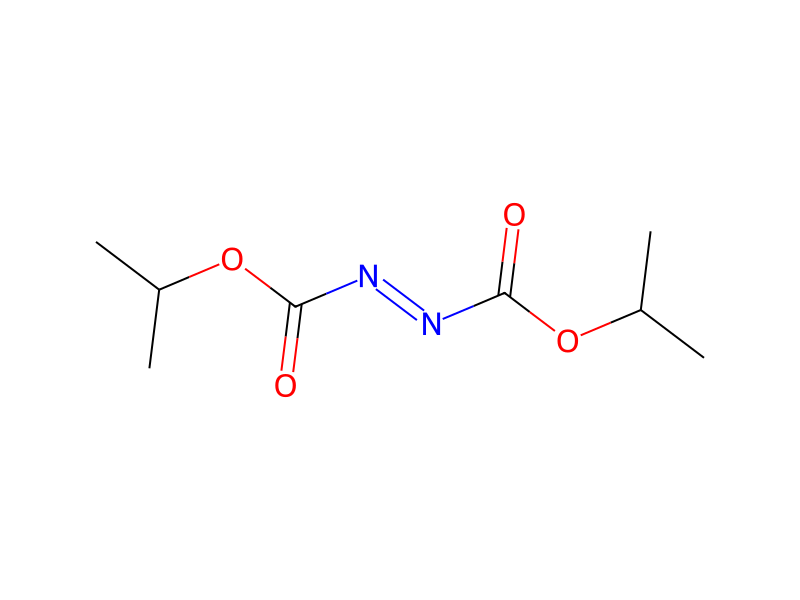
Combine (R)-oxiranemethanol (32.85 g, 443.5 mmol) with 2-chloro-3-hydroxypyridine (52.23 g, 403.18 mmol) in THF (1.34 L). Stir the mixture until the solids dissolve. Cool it to 0° C. and slowly add triphenylphosphine (116.33 g, 443.5 mmol). After all the solids dissolve, add diisopropyl azodicarboxylate (87.92 mL, 443.5 mmol) drop-wise over 25 minutes at a sufficiently slow rate to maintain the internal temperature of the reaction below 10° C. Stir the mixture while cooling for 30 minutes then allow the mixture to warm to ambient temperature and continue stirring overnight. Add EtOAc, and wash with NaOH (2×1.0 N). Dry the organic layer over Na2SO4; filter; and concentrate the filtrate under reduced pressure. Triturate the residue with a mixture of 2:1 Et2O: hexanes and stir for 5 minutes. Filter and concentrate the filtrate under reduced pressure to provide a residue. Purify the residue via flash column chromatography (2×330 g SiO2), eluting with a gradient of 0-66% THF/Hexane. Combine the desired fractions, and concentrate under reduced pressure to provide the title compound (32.6 g, 43.6%) as a white solid. MS (m/z): 186 (M+1).