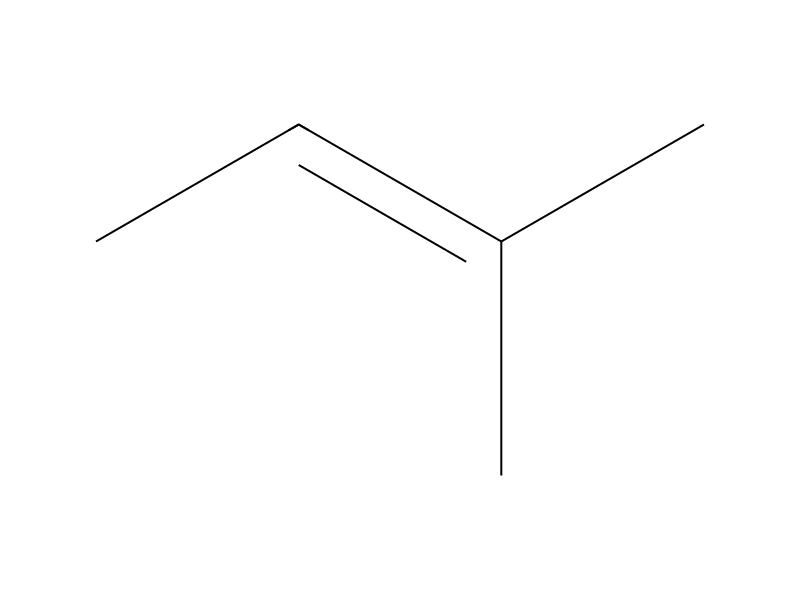
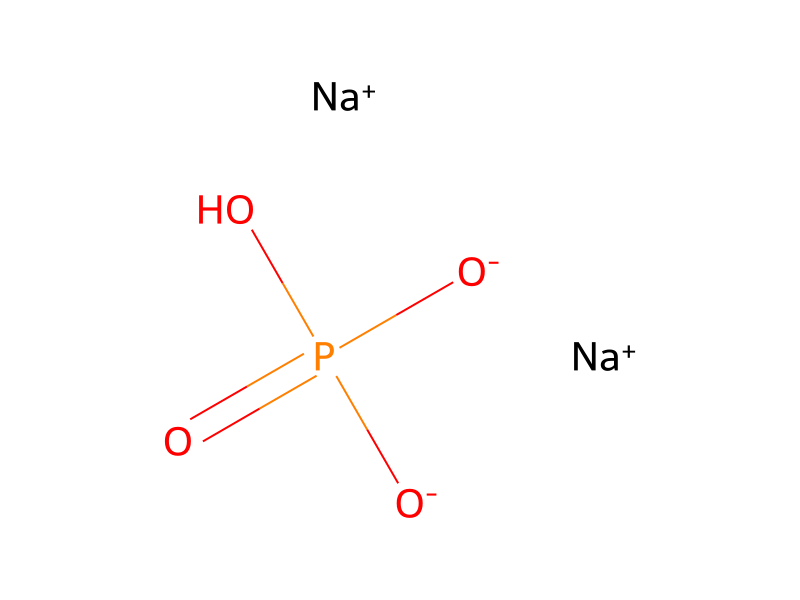
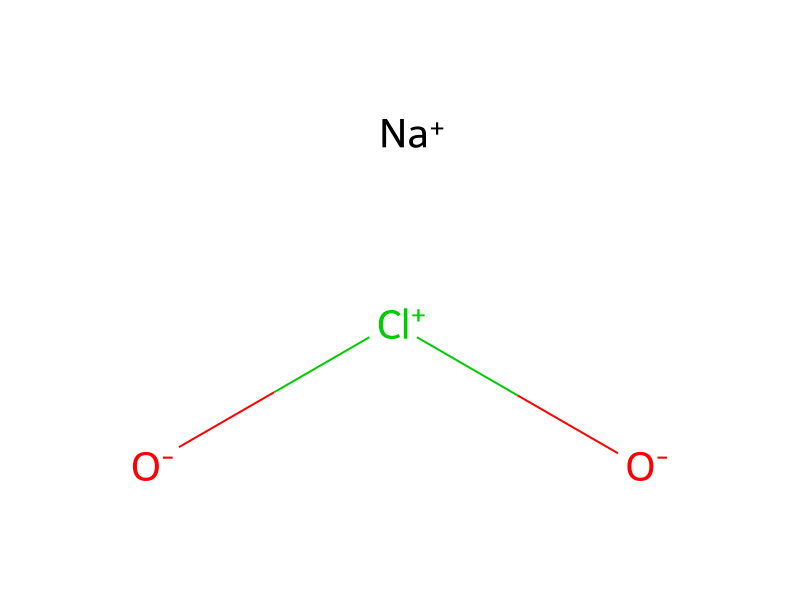
In a typical reaction, 4-amino-3-chloro-6-(4-chlorophenyl)-5-fluoropicolinaldehyde is oxidized with an excess of sodium chlorite, between 20-30 equivalents of 2-methyl-2-butene and about 5 equivalents of disodium hydrogen phosphate in a t-butyl alcohol/water mixture. The mixture is heated at about 80° C. until the reaction is complete. After cooling, the mixture is treated with dilute hydrochloric acid and extracted with ethyl acetate. The organic layer is separated and dried. The solvent is evaporated to provide crude 4-amino-3-chloro-6-(4-chlorophenyl)-5-fluoropicolinic acid.