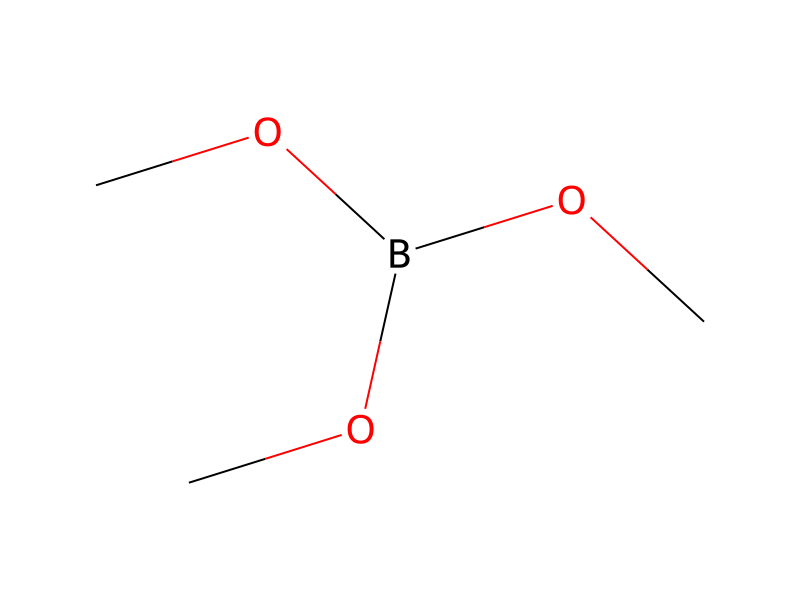
A mixture of 22.0 g (94.4 mmol) of 3-fluoro-4-propoxybromobenzene, 22.5 g (141.6 mmol) of dihydroxy(3-fluorophenyl)borane (prepared by reacting a Grignard reagent, which was prepared from 3-fluorobromobenzene and magnesium, with trimethoxyborane, and then hydrolysing with hydrochloric acid), 26.1 g (188.8 mmol) of K2CO3, 2.0 g of 5%Pd—C, and 150 ml of mixed solvent of toluene/ethanol/water (1/1/1) was heated to reflux for 27 hours. Subsequently, the Pd—C was removed by filtration, the mixture was extracted with 150 ml of toluene, the organic layer thus obtained was washed with water thrice, and then dried over anhydrous magnesium sulfate. The solvent was distilled off under a reduced pressure, and the residue thus obtained was subjected to silica gel column chromatography (eluent: heptane/toluene=1/1) to obtain 20.1 g of a crude 3,3′-difluoro-4-propoxybiphenyl. (Yield: 86.1%)