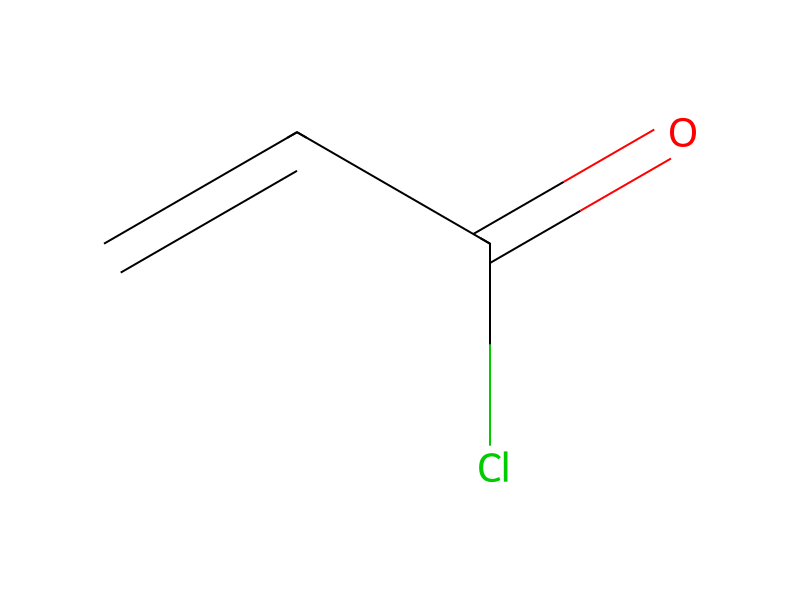
Potassium hydroxide (11.2 g, 0.2 mole) was dissolved in 50 ml of methanol and salicylic acid (13.8 g, 0.1 mole) was added. The formed precipitate was separated and dried in vacuum. The precipitate (0.1 mole, 17.6 g) of potassium salicylate was dissolved in 50 ml of benzene, heated to boiling and acryloyl chloride (22.1 g, 0.2 mole) was added with intense stirring for 2 hours. The formed precipitate was centrifuged, the benzene solution was evaporated using a rotor evaporator and the formed solid product, potassium acryloyl salicylate, was dried in a vacuum. The prepared salt (12.8 g, 0.06 mole) was dissolved in 150 ml of distilled water and 150 ml of a 20% solution of trifluoroacetic acid was added. The formed emulsion was stirred for 40 min. Then, 300 ml of diethyl ether was added and the mixture was stirred for 5-6 hours. The ether layer was separated, dried over magnesium sulfate, and evaporated in a vacuum to a dry state. The white precipitate was recrystallized from benzene. The yield of ASA from the mixture was 30%.