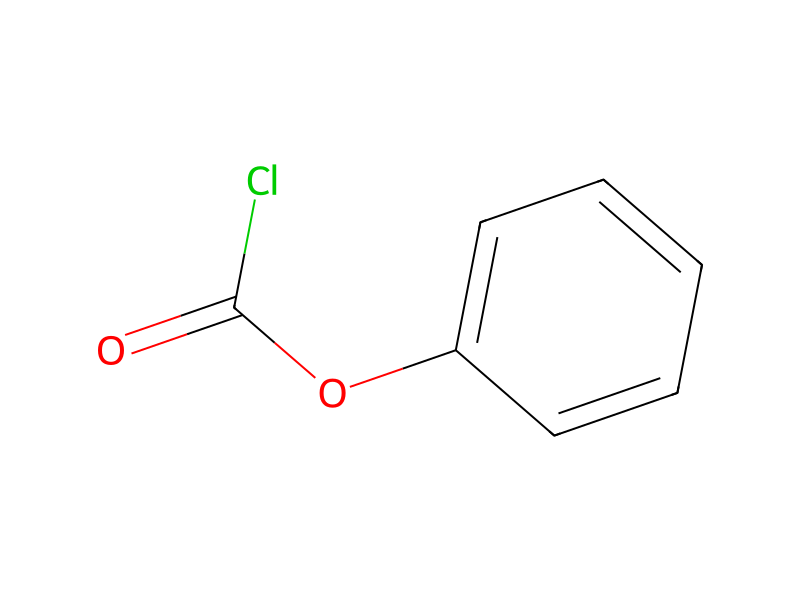
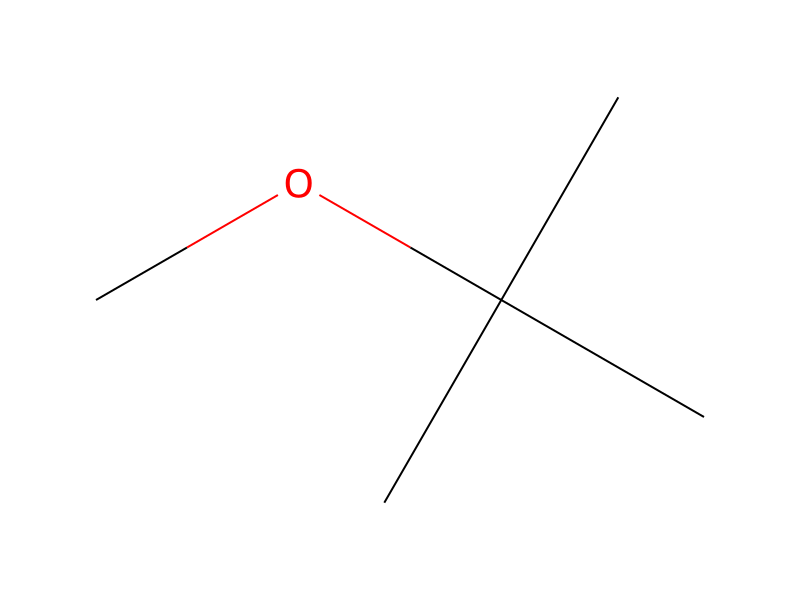
Into a 500 ml 3-neck flask was added 17.1 grams (0.1 mole) 1,2,2,6,6-pentamethyl-4-piperidinol and 300 mls of methyl t-butyl ether (MtBE). The flask was equipped with a magnetic stirrer, thermometer, reflux condenser and dropping funnel containing 15.6 grams (0.1 mole) phenyl chloroformate. The phenyl chloroformate was slowly added to the 1,2,2,6,6-pentamethyl-4-piperidinol solution without any appreciable exotherm. Then 11.2 grams (0.1 mole) of 1,4-diazabicyclo(2.2.2)octane (DABCO) was added at room temperature. The temperature rose to 50° C. and a precipitate formed. The reaction was stirred for 2 hours, an additional 2 grams of DABCO and 1.25 grams of phenyl chloroformate was added, the reaction heated to reflux and refluxed 2 hours. The reaction mixture was cooled, transferred to a separatory funnel and washed with water to remove DABCO, DABCO hydrochloride and a small amount of 1,2,2,6,6-pentamethyl-4-piperidinol. The product was then extracted out of the MtBE layer with 100 mls of 5% HC1 diluted with water to 400 mls. The MtBE layer which contained diphenyl carbonate was discarded. The acid layer was made basic with 100 ml of 10% NaOH. The product was extracted out of the aqueous layer with 200 ml MtBE. The MtBE extract was washed with 100 ml 5% NaHCO3, dried over anhydrous MgSO4, filtered and the MtBE stripped off on a rotating evaporator under reduced pressure. The residue was a white solid weighing 20.4 grams (70.1% crude yield) which had a melting point of 63°-67° C. Liquid chromatography indicated the product was essentially one component. The infrared spectrum contained a strong carbonyl peak at 1755 cm-1.