ホームMCPワークベンチSkills
ホームワークベンチ通知マイページ
llms.txt · MCPガイドプライバシーポリシー · 利用規約 · サポートv1.8.0
  1. ホーム
  2. /反応

Acetic Acid → 4-Acetylpyridine

HRID 1620794
ノート
印刷プレビュー

反応式

HRID 1620794 の反応式
[CH3:1][C:2]([O-])([CH3:4])[CH3:3].[K+].CC([O-])(C)C.[K+].CS(C)=O.[Li+].[OH-:18].C1(S([C:28]2C(C(C3C=CC=CC=3Cl)=O)=CC=[CH:30][N:29]=2)(=O)=O)C=CC=CC=1.C(O)(=O)C.[Na+].[Cl-].C(O)(=O)C1C=CC=CC=1.C(O)(=O)C1C=CC=CC=1.Cl[C:68]1C=CC=CC=1C(C1C(C=C(O)C2C=CN=CC=2)=NC=CC=1)=O>CS(C)=O.C(OC(C)C)(=O)C.C(O)(=O)C1C=CC=CC=1.ClC1C=CC=CC=1C(C1C(C=C(O)C2C=CN=CC=2)=NC=CC=1)=O.C1(C)C=CC=CC=1>[C:1]([C:2]1[CH:4]=[CH:30][N:29]=[CH:28][CH:3]=1)(=[O:18])[CH3:68]
参加物反応条件実験手順後処理出典と根拠反応ノート

参加物

13

反応物 8

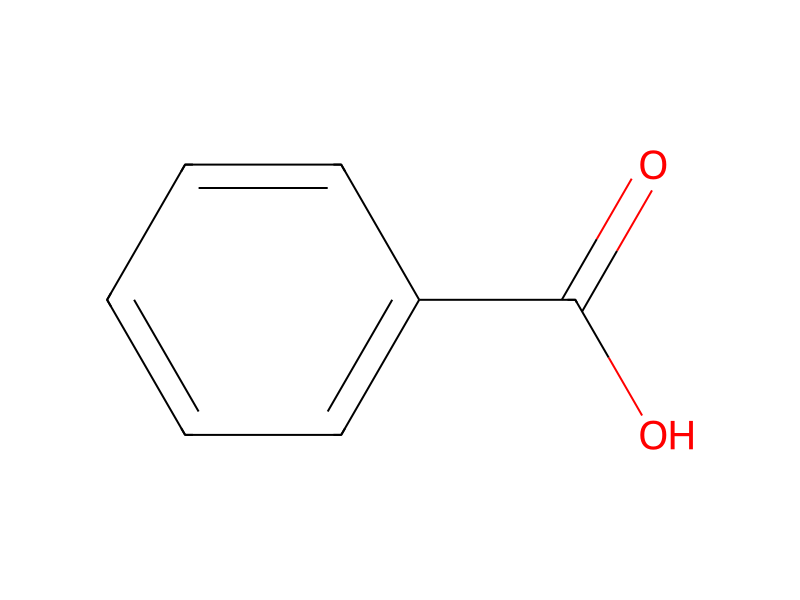
HCID 176Acetic AcidHCID 243Benzoic AcidHCID 3939Lithium HydroxideHCID 5234Sodium ChlorideHCID 23665647Potassium tert-butoxideHCID 684356242-(Benzenesulfonyl)-3-(2-chlorobenzoyl)pyridine2 回HCID 87549036KOtBu DMSO
HCID 136360490
(2-Chlorophenyl)-[2-(2-hydroxy-2-pyridin-4-yl-vinyl)pyridin-3-yl]methanone benzoate

生成物 1

HCID 142824-Acetylpyridine収率 83%

試薬・触媒・溶媒 4

HCID 136360490(2-Chlorophenyl)-[2-(2-hydroxy-2-pyridin-4-yl-vinyl)pyridin-3-yl]methanone benzoate触媒HCID 679Dimethyl Sulfoxide溶媒3 回HCID 1140Toluene溶媒HCID 7915Isopropyl Acetate溶媒

反応条件

温度
23 °C

実験手順

Charge powdered KOtBu (221.1 g, 1.93 moles, 1.40 eq.) to Reactor A, then charge DMSO (2 L) at 25° C. over 10 min. The KOtBu/DMSO solution is stirred for 30 min at 23° C., then a solution of 4-acetyl pyridine (92 mL, 2.07 moles, 1.50 eq) in DMSO (250 mL) is prepared in reactor B. The contents of reactor B are added to Reactor A over 10 minutes, then the Reactor A enolate solution is stirred at 23° C. for 1 h. In a separate 12-L flask (Reactor C), solid LiOH (84.26 g, 3.45 moles, 2.0 eq) is poured into a mixture of (2-phenylsulfonyl-pyridin-3-yl)-(2-chlorophenyl)methanone (500.0 g, 1.34 moles, 1.0 eq) and DMSO (2 L), with stirring, at 23° C. The enolate solution in reactor A is then added to Reactor C over a period of at least 15 minutes, and the red suspension warmed to 40° C. The reaction is stirred for 3 h, after which time HPLC analysis reveals less than 2% (2-phenylsulfonyl-pyridin-3-yl)-(2-chlorophenyl)methanone. Toluene (2.5 L) is charged, and the reactor temperature cooled to 30° C. The mixture is quenched by addition of glacial acetic acid (316 mL, 5.52 moles, 4.0 eq), followed by 10% NaCl (2.5 L). The biphasic mixture is transferred to a 22-L bottom-outlet Morton flask, and the aqueous layer is removed. The aqueous layer is then extracted with toluene (750 mL). The combined organic layers are washed with 10% NaCl (750 mL), then concentrated to 4 volumes and transferred to a 12-L Morton flask and rinsed with isopropyl acetate (4 vol, 2 L). The opaque amber solution is warmed to 75 degrees to 75° C. over 40 min. Benzoic acid (171.1 g, 1.34 moles, 1.0 eq) is dissolved in hot isopropyl acetate (1.5 L), and charged to the crude free base solution over at least 30 min. The crude solution containing benzoate salt is stirred for 0.5 h at 75° C. then cooled to 23° C. When solids are first observed, the cooling is stopped and the mixture is aged for an hour at the temperature at which crystals are first observed. Alternatively, if seed crystal is available, the mixture may be seeded with (2-chlorophenyl)-[2-(2-hydroxy-2-pyridin-4-yl-vinyl)pyridin-3-yl]methanone benzoate (2.25 g) at 75° C., followed by stirring for 0.5 h at 75° C., then cooling to 23° C. over at least 1.5 h. The mixture is then cooled to <5° C., then filtered through paper on a 24 cm single-plate filter. The filter cake is then rinsed with cold i-PrOAc (750 mL) to produce granular crystals of bright orange-red color. The wet solid is dried at 55° C. to produce 527.3 g (83% yield) with 99.9% purity. (2-chlorophenyl)-[2-(2-hydroxy-2-pyridin-4-yl-vinyl)pyridin-3-yl]methanone benzoate. Anal. Calcd. for C26H19N2ClO4: C, 68.05; H, 4.17; N, 7.13. Found: C, 67.89; H, 4.15; N 6.05. HRMS: calcd for C19H13ClN2O2, 336.0666. found 336.0673.


後処理

  1. additionThe contents of reactor B are added to Reactor A over 10 minutes
  2. temperaturethe red suspension warmed to 40° C
  3. stirringThe reaction is stirred for 3 h
  4. temperaturethe reactor temperature cooled to 30° C
  5. customThe biphasic mixture is transferred to a 22-L bottom-outlet
  6. customMorton flask, and the aqueous layer is removed
  7. extractionThe aqueous layer is then extracted with toluene (750 mL)
  8. washThe combined organic layers are washed with 10% NaCl (750 mL)
  9. concentrationconcentrated to 4 volumes
  10. washrinsed with isopropyl acetate (4 vol, 2 L)
  11. temperatureThe opaque amber solution is warmed to 75 degrees to 75° C. over 40 min
  12. additioncharged to the crude free base solution over at least 30 min
  13. stirringis stirred for 0.5 h at 75° C.
  14. temperaturethen cooled to 23° C
  15. waitthe mixture is aged for an hour at the temperature at which crystals
  16. stirringby stirring for 0.5 h at 75° C.
  17. temperaturecooling to 23° C. over at least 1.5 h
  18. temperatureThe mixture is then cooled to <5° C.
  19. filtrationfiltered through paper on a 24 cm single-plate filter
  20. washThe filter cake is then rinsed with cold i-PrOAc (750 mL)
  21. customto produce granular crystals of bright orange-red color
  22. customThe wet solid is dried at 55° C.
  23. customto produce 527.3 g (83% yield) with 99.9% purity

出典と根拠

ORDレコード
ord-bc4890f771e84d2b855b491cbb1898f7
出典データセット
uspto-grants-2014_07
DOI
10.6084/m9.figshare.5104873.v1
特許番号
US08772496B2

反応ノート

読み込み中…

このページの内容参加物反応条件実験手順後処理出典と根拠反応ノート