ホームMCPワークベンチSkills
ホームワークベンチ通知マイページ
llms.txt · MCPガイドプライバシーポリシー · 利用規約 · サポートv1.8.0
  1. ホーム
  2. /反応

Hydrochloric Acid → 4-(3-Phenylquinoxalin-2-yl)phenylboronic acid

HRID 1641986
ノート
印刷プレビュー

反応式

HRID 1641986 の反応式
Br[C:2]1[CH:7]=[CH:6][C:5]([C:8]2[C:17]([C:18]3[CH:23]=[CH:22][CH:21]=[CH:20][CH:19]=3)=[N:16][C:15]3[C:10](=[CH:11][CH:12]=[CH:13][CH:14]=3)[N:9]=2)=[CH:4][CH:3]=1.C([Li])CCC.[B:29](OC)([O:32]C)[O:30]C.Cl>O1CCCC1>[C:18]1([C:17]2[C:8]([C:5]3[CH:6]=[CH:7][C:2]([B:29]([OH:32])[OH:30])=[CH:3][CH:4]=3)=[N:9][C:10]3[C:15]([N:16]=2)=[CH:14][CH:13]=[CH:12][CH:11]=3)[CH:23]=[CH:22][CH:21]=[CH:20][CH:19]=1
参加物反応条件実験手順後処理出典と根拠反応ノート

参加物

6

反応物 4

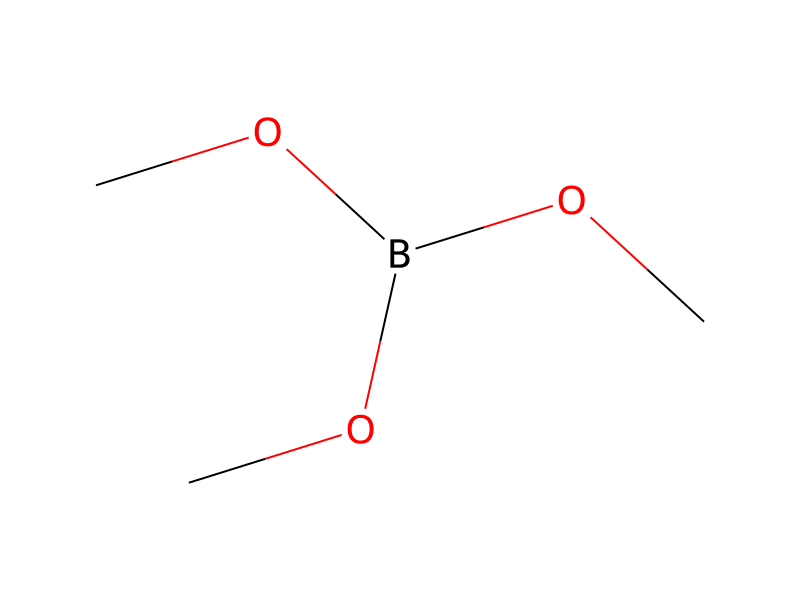
HCID 313Hydrochloric AcidHCID 8470Trimethyl borateHCID 18497902-(4-Bromophenyl)-3-phenylquinoxalineHCID 178418339Butyllithium

生成物 1

HCID 577298334-(3-Phenylquinoxalin-2-yl)phenylboronic acid

試薬・触媒・溶媒 1

HCID 8028Tetrahydrofuran溶媒

反応条件

温度
-78 °C

実験手順

In a 300 mL three-necked flask was placed 5.0 g (13 mmol) of 2-(4-bromophenyl)-3-phenylquinoxaline, and the atmosphere in the flask was placed with nitrogen. There was added 40 mL of tetrahydrofuran, and the mixture was cooled to −78° C. under nitrogen stream. After cooling, 10 mL (16 mmol) of 1.6 M n-butyllithium was dripped thereinto, and the mixture was stirred at the same temperature for 1 hour. After a predetermined time, there was added 3.1 mL (27 mmol) of trimethyl borate, and the temperature of the reaction solution was raised to room temperature, and then, the solution was stirred for 10 hours. After a predetermined time, the reaction solution was cooled to 0° C., to which 100 mL of 0.1 M hydrochloric acid was added, and the solution was stirred for 1 hour. After a predetermined time, an aqueous layer and an organic layer were separated in the mixture, and an organic substance was extracted with ethyl acetate from the aqueous layer. The extract was washed with a saturated aqueous sodium chloride solution together with the organic layer and then dried over magnesium sulfate. The mixture was subjected to suction filtration through Celite (produced by Wako Pure Chemical Industries, Ltd., Catalog No. 531-16855). The obtained filtrate was condensed to obtain a solid. The solid was recrystallized with ethyl acetate/hexane, so that 3.0 g of target pale-yellow powder was obtained with a yield of 66%.


後処理

  1. customIn a 300 mL three-necked flask was placed
  2. temperatureAfter cooling
  3. temperaturethe temperature of the reaction solution was raised to room temperature
  4. stirringthe solution was stirred for 10 hours
  5. additionwas added
  6. stirringthe solution was stirred for 1 hour
  7. customAfter a predetermined time, an aqueous layer and an organic layer were separated in the mixture
  8. extractionan organic substance was extracted with ethyl acetate from the aqueous layer
  9. washThe extract was washed with a saturated aqueous sodium chloride solution together with the organic layer
  10. dry with materialdried over magnesium sulfate
  11. filtrationThe mixture was subjected to suction filtration through Celite (produced by Wako Pure Chemical Industries, Ltd., Catalog No. 531-16855)
  12. customcondensed
  13. customto obtain a solid
  14. customThe solid was recrystallized with ethyl acetate/hexane, so that 3.0 g of target pale-yellow powder
  15. customwas obtained with a yield of 66%

出典と根拠

ORDレコード
ord-569f618be2b344589158cac1acc65a88
出典データセット
uspto-grants-2012_02
DOI
10.6084/m9.figshare.5104873.v1
特許番号
US08119259B2

反応ノート

読み込み中…

このページの内容参加物反応条件実験手順後処理出典と根拠反応ノート