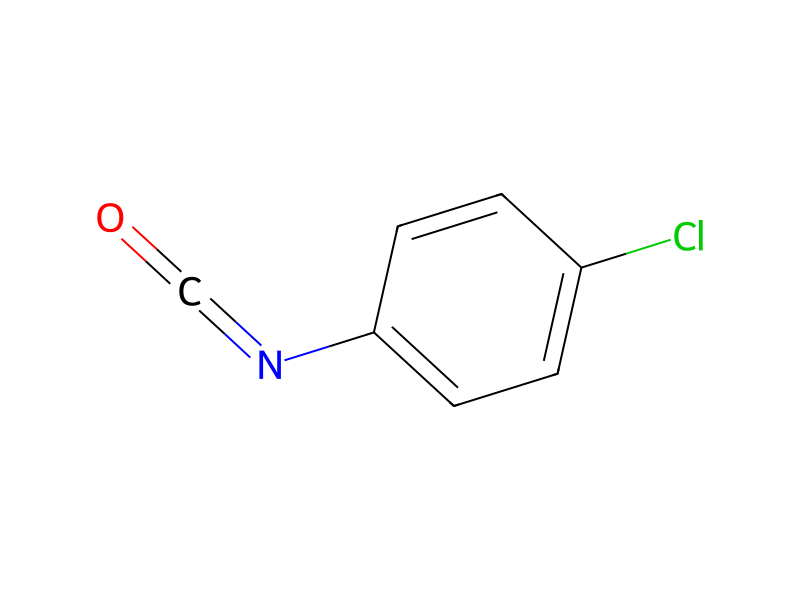
4-Chlorophenyl Isocyanate → 1-(4-Chloro-phenyl)-3-(2-oxo-5-phenyl-2,3-dihydro-1H-benzo[e][1,4]diazepin-3-yl)-urea
HRID 1642091
反応式

ClC1C=C(C=CC=1Cl)[C:5]([NH:7][CH:8]1[C:14](=[O:15])[NH:13][C:12]2[CH:16]=[CH:17][CH:18]=[CH:19][C:11]=2[C:10]([C:20]2[CH:25]=[CH:24][CH:23]=[CH:22][CH:21]=2)=[N:9]1)=[O:6].[Cl:30][C:31]1[CH:36]=[CH:35][C:34]([N:37]=C=O)=[CH:33][CH:32]=1.C(N(CC)CC)C>C1COCC1>[Cl:30][C:31]1[CH:36]=[CH:35][C:34]([NH:37][C:5]([NH:7][CH:8]2[C:14](=[O:15])[NH:13][C:12]3[CH:16]=[CH:17][CH:18]=[CH:19][C:11]=3[C:10]([C:20]3[CH:25]=[CH:24][CH:23]=[CH:22][CH:21]=3)=[N:9]2)=[O:6])=[CH:33][CH:32]=1