反応式

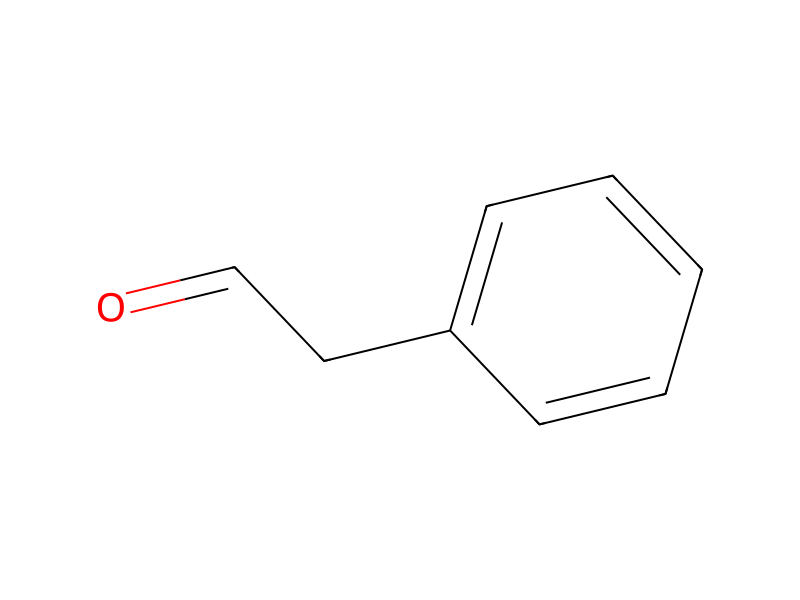
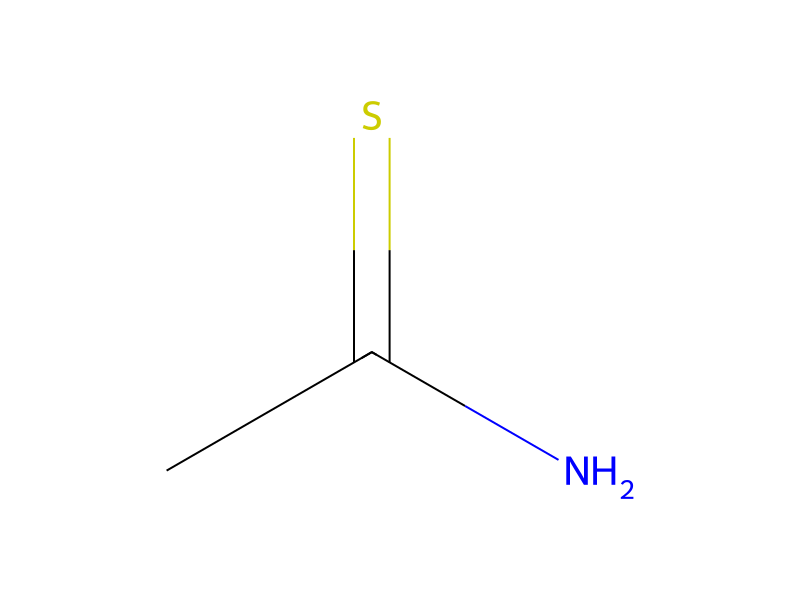
[C:1]1([C:7]2[S:11][CH:10]=[N:9][CH:8]=2)[CH:6]=[CH:5][CH:4]=[CH:3][CH:2]=1.Br[CH:13]([C:16]1[CH:21]=[CH:20][CH:19]=[CH:18][CH:17]=1)[CH:14]=O.[C:22]1([CH2:28][CH:29]=O)[CH:27]=[CH:26][CH:25]=[CH:24][CH:23]=1.BrBr.C=S.[C:35]([NH2:38])(=[S:37])[CH3:36].[NH2:39][C:40]([NH2:42])=[S:41].[CH2:43]([NH:45][C:46](=[S:48])[O-:47])[CH3:44]>CO>[C:1]1([C:7]2[S:11][CH:10]=[N:9][CH:8]=2)[CH:2]=[CH:3][CH:4]=[CH:5][CH:6]=1.[CH3:36][C:35]1[S:37][C:13]([C:16]2[CH:21]=[CH:20][CH:19]=[CH:18][CH:17]=2)=[CH:14][N:38]=1.[NH2:42][C:40]1[S:41][C:28]([C:22]2[CH:27]=[CH:26][CH:25]=[CH:24][CH:23]=2)=[CH:29][N:39]=1.[OH:47][C:46]1[S:48][C:44]([C:1]2[CH:6]=[CH:5][CH:4]=[CH:3][CH:2]=2)=[CH:43][N:45]=1参加物
反応物 8





生成物 4


試薬・触媒・溶媒 1

実験手順
In synthesis of 5-phenylthiazole derivatives, the intermediate α-bromo-α-phenylacetaldehyde is first synthesized by allowing phenylacetaldehyde to react with bromine according to the method as disclosed in Helv. Chim. Acta. Vol. 30, pp.2058 (1945). As the next step, according to the method disclosed in J. Amer. Chem. Soc. Vol. 71, pp.4007 (1949), α-bromo-α-phenylacetaldehyde is allowed to react respectively with thioformaldehyde, thioacetamide, thiourea and ethylthiocarbamate at room temperature in methanol as a reaction solvent to obtain 5-phenylthiazole (m.p. 45°-46° C.), 2-methyl-5-phenylthiazole (m.p. 74°-76° C.), 2-amino-5-phenylthiazole (m.p. 206°-208° C.) and 2-hydroxy-5-phenylthiazole (m.p. 202°-204° C.). On the other hand, according to the method as described in U.S. Pat. No. 2,603,646 (1952), phenylacetaldehyde is allowed to react with thiocyanogen to obtain α-phenyl-α-thiocyanoacetaldehyde, which is then allowed to react with ammonium dithiocarbamate in the presence of an acid catalyst such as dilute sulfuric acid to obtain 2-mercapto-5-phenylthiazole (m.p. 207°-209° C.).
出典と根拠
- ORDレコード
- ord-5e34c6bcd2774192bdbdede10a6416a1
- 出典データセット
- uspto-grants-1983_11
- 特許番号
- US04418070
関連ノート
読み込み中…