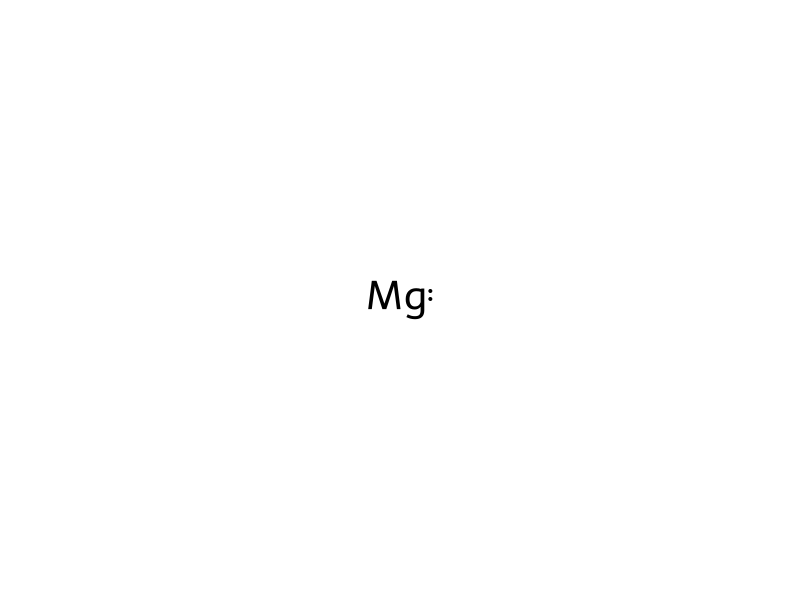
To a 2 liter three-neck flask equipped with a reflux condenser and a stirrer was added 50 ml of tetrahydrofuran which was dried with metallic sodium and 28 g (1.15 mole) of metallic magnesium and it was maintained with starring at room temperature. Then, a solution of 183 g (1.02 mole) of 3-vinylbenzene bromide in 500 ml of dry tetrahydrofuran was added dropwise over 2 hours to the above contents. The reaction temperature was maintained at 80° C. After the dropping of the solution, the stirring was continued for further 1 hour at 80° C. The thus obtained Grignard reagent solution was added dropwise over 2 hours to the solution of 171 g (1.0 mole) of benzyl bromide and 5.5 g of NiCl2 (Ph2P(CH)3PPh2) in 500 ml of dry ether Stirring was continued for further 1 hour at 35° C. This reaction mixture was poured into iced water and an oily layer was separated. Ether and tetrahydrofuran were evaporated off under reduced pressure to obtain (3-vinylphenyl)phenylmethane of the formula (I) in a yield of 60%.