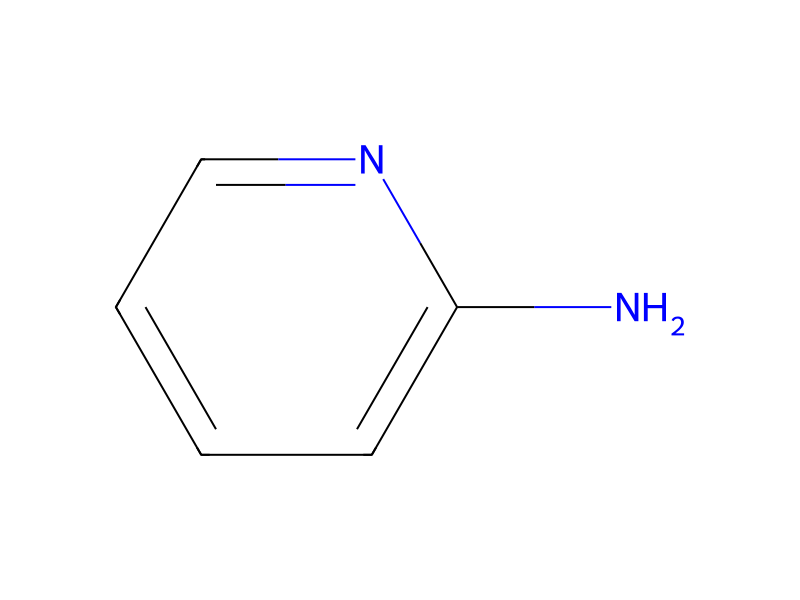
The reaction of 0.1 mol of crude 2,3-dihydro-5-(1-pyrrolidinyl)-1-benzothiepin 1,1-dioxide with phosgene and triethylamine was carried out as described in example 2. The mixture containing the resulting acid chloride was cooled to -50° and a solution of 11.09 g (0.11 mol) of 2-aminopyridine and 13 g (0.15 mol) of triethylamine in 50 ml of tetrahydrofuran was added slowly. The reaction mixture was allowed to slowly warm to room temperature and then stirred for 20 hours. It was decomposed with ice water and extracted with dichloromethane. Evaporation of the dichloromethane gave an oily residue which was heated on a steam bath with a mixture of 200 ml of glacial acetic acid and 100 ml of 1N hydrochloric acid for 45 minutes. The mixture was diluted with ice-water and extracted with dichloromethane. The dichloromethane solution was extracted with 2N sodium hydroxide and the alkaline solution was carefully acidified to pH 5.0 to cause separation of a semi-solid which was repeatedly extracted with dichloromethane (total volume 2000 ml). The dichloromethane layer was washed well with water and dried over sodium sulfate. Evaporation of the solvent gave an oil which was triturated with dichloromethaneether to give 8.5 g of material, mp 105°-115°. Recrystallization from 250 ml of methanol gave 7.3 g of product, mp 168°-171°.