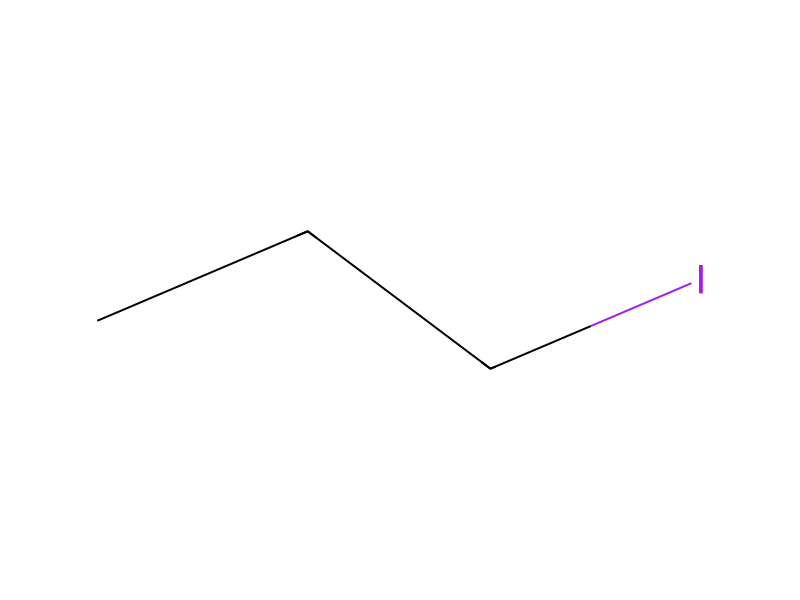
[CH2:1]([O:8][C:9]1[CH:10]=[C:11]2[C:19](=[CH:20][CH:21]=1)[NH:18][C:17]1[CH2:16][CH2:15][CH:14]([NH2:22])[CH2:13][C:12]2=1)[C:2]1[CH:7]=[CH:6][CH:5]=[CH:4][CH:3]=1.C(=O)([O-])[O-].[K+].[K+].I[CH2:30][CH2:31][CH3:32]>C(#N)C>[CH2:1]([O:8][C:9]1[CH:10]=[C:11]2[C:19](=[CH:20][CH:21]=1)[NH:18][C:17]1[CH2:16][CH2:15][CH:14]([NH:22][CH2:30][CH2:31][CH3:32])[CH2:13][C:12]2=1)[C:2]1[CH:3]=[CH:4][CH:5]=[CH:6][CH:7]=1To a solution of 0.600 gm (2.05 mMol) 6-benzyloxy-3-amino-1,2,3,4-tetrahydro-9H-carbazole in 35 mL acetonitrile were added 0.283 gm (2.05 mMol) potassium carbonate followed by 240 μL (2.46 mMol) iodopropane and the reaction mixture was stirred at room temperature for 2.5 days. Additional iodopropane was added and the reaction stirred at room temperature until all of the starting material had been consumed. The reaction mixture was then partitioned between dichloromethane and water. The aqueous phase was extracted with dichloromethane and the combined organic phases were then dried over magnesium sulfate and concentrated under reduced pressure. The residue was subjected to silica gel chromatography, eluting with 96.5:3:0.5 dichloromethane: isopropanol:ammonium hydroxide. Fractions shown to contain the desired compound were concentrated under reduced pressure to give 0.270 gm (39%) of the desired compound.

読み込み中…