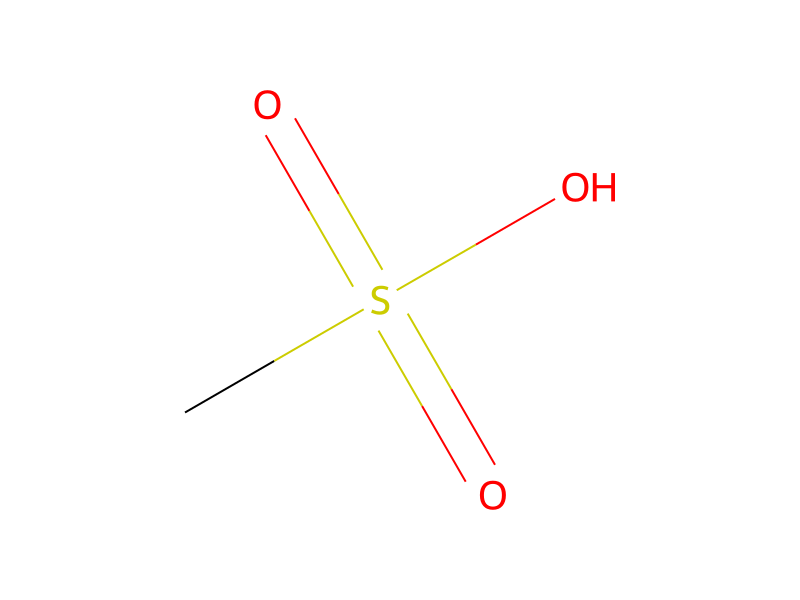
[OH:1][CH:2]1[CH2:7][CH2:6][N:5]([CH3:8])[CH2:4][CH2:3]1.[I:9][C:10]1[N:11]=[C:12]([CH:23]=O)[N:13]([CH2:15][CH2:16][C:17]2[CH:22]=[CH:21][CH:20]=[CH:19][CH:18]=2)[CH:14]=1.O.[OH-].[Na+]>CS(O)(=O)=O.C(Cl)(Cl)Cl>[I:9][C:10]1[N:11]=[C:12]2[N:13]([CH2:15][CH2:16][C:17]3[CH:22]=[CH:21][CH:20]=[CH:19][C:18]=3[CH:23]2[O:1][CH:2]2[CH2:7][CH2:6][N:5]([CH3:8])[CH2:4][CH2:3]2)[CH:14]=1To a solution of 4-hydroxy-N-methylpiperidine (223 mg, 2.02 mmoles) in methanesulfonic acid (3.4 mL) is added a solution of 4-Iodo-1-phenethyl-imidazole-2-carbaldehyde (example 2B) (220 mg, 0.675 mmoles) in chloroform (1 mL). The reaction mixture is stirred at room temperature overnight. Water is added to the reaction mixture, and the pH is adjusted to 9-10 by adding 12N NaOH dropwise. The aqueous phase is extracted three times with dichloromethane. The organic phase is dried over magnesium sulphate, filtered and the solvent is removed under reduced pressure. The residue is purified by silica gel chromatography using (CH2Cl2:MeOH:NH4OH) as eluent with a gradient from (99:5:0.1) to (95:5:0.5) to give 2-iodo-4-(1-methylpiperidin-4-yloxy)-9,10-dihydro-4H-3,10a-diaza-benzo[f]azulene melting at 126° C.