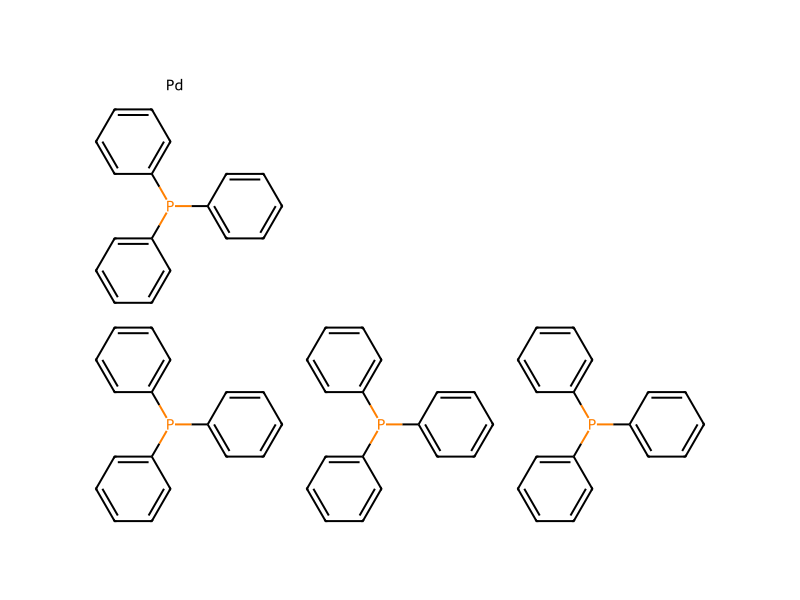
[CH3:1][C:2]1[CH:3]=[C:4](OB(O)O)[CH:5]=[CH:6][CH:7]=1.Cl[C:13]1[CH:22]=[CH:21][C:20]2[C:15](=[CH:16][CH:17]=[C:18]([CH3:23])[CH:19]=2)[N:14]=1.C(=O)([O-])[O-].[K+].[K+]>[Pd].C1(P(C2C=CC=CC=2)C2C=CC=CC=2)C=CC=CC=1.C1(P(C2C=CC=CC=2)C2C=CC=CC=2)C=CC=CC=1.C1(P(C2C=CC=CC=2)C2C=CC=CC=2)C=CC=CC=1.C1(P(C2C=CC=CC=2)C2C=CC=CC=2)C=CC=CC=1.C1(C)C=CC=CC=1.C1COCC1.O>[CH3:1][C:2]1[CH:3]=[C:4]([C:13]2[CH:22]=[CH:21][C:20]3[C:15](=[CH:16][CH:17]=[C:18]([CH3:23])[CH:19]=3)[N:14]=2)[CH:5]=[CH:6][CH:7]=13-methyl-phenyl-boric acid (1.3 mmol), 2-chloro-6-methyl-quinoline (1 mmol), tetrakis(triphenyl phosphine) palladium(0) (0.05 mmol), and potassium carbonate (3 mmol) are dissolved in a two-neck round bottom flask containing THF (30 ml) and H2O (10 ml). The mixture is then stirred for 24 hours in a bath of 100 degrees Celsius (C). Subsequently, when reaction no longer occurs, the THF and toluene are discarded. The mixture is extracted by using dichloromethane and water, which is then treated with vacuum distillation. Then, after filtering the mixture with a silica gel column, a solvent is treated with vacuum distillation. Thereafter, by using dichloromethane and petroleum ether, the mixture is re-crystallized and filtered, thereby yielding solid 2-(3-methylphenyl)-6-methyl-quinoline.