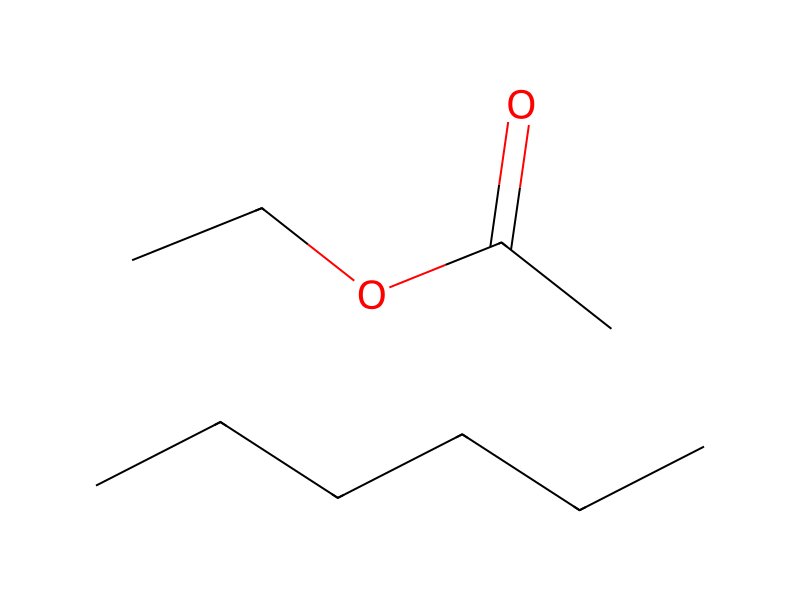
Br[C:2]1[C:10]2[O:9][C:8]([F:12])([F:11])[O:7][C:6]=2[CH:5]=[CH:4][CH:3]=1.B([C:16]1[CH:21]=[C:20]([CH3:22])[CH:19]=[CH:18][C:17]=1[NH:23][C:24](=[O:29])[C:25]([CH3:28])([CH3:27])[CH3:26])(O)O.C(=O)([O-])[O-].[Na+].[Na+].C(OCC)(=O)C.CCCCCC>COCCOC.O.[Pd](Cl)Cl.C1(P(C2C=CC=CC=2)C2C=CC=CC=2)C=CC=CC=1.C1(P(C2C=CC=CC=2)C2C=CC=CC=2)C=CC=CC=1>[F:11][C:8]1([F:12])[O:7][C:6]2[CH:5]=[CH:4][CH:3]=[C:2]([C:16]3[CH:21]=[C:20]([CH3:22])[CH:19]=[CH:18][C:17]=3[NH:23][C:24](=[O:29])[C:25]([CH3:27])([CH3:26])[CH3:28])[C:10]=2[O:9]1To a mixture of the title compound of Step B (10.0 g, 42.2 mmol) and the title compound of Step A (4.96 g, 21.1 mmol) in ethylene glycol dimethyl ether (100 mL) were added a solution of sodium carbonate (4.47 g, 42.2 mmol) in water (25 mL) and bis(triphenylphosphine) palladium (II) chloride (740 mg, 1.05 mmol) at room temperature. The mixture was heated at reflux for 2 h and then allowed to come to room temperature. The solvent was removed under reduced pressure and the residue was suspended in water. The aqueous mixture was extracted with ethyl acetate three times. The organic extracts were dried (MgSO4), filtered, and concentrated under reduced pressure to obtain a brown liquid. Flash chromatography of the crude product on silica gel eluting with 1:6 ethyl acetate/hexane afforded the title compound of Step C, a compound of the invention, as a yellow oily solid (8 g, 55%). 1H NMR (CDCl3): δ1.12 (s,9H), 2.37 (s,3H), 7.1 (m,2H), 7.12 (s, 1H), 7.2 (t, 1H), 7.25 (m,1H), 7.3 (br s,1H), 7.9 (d, 1H).