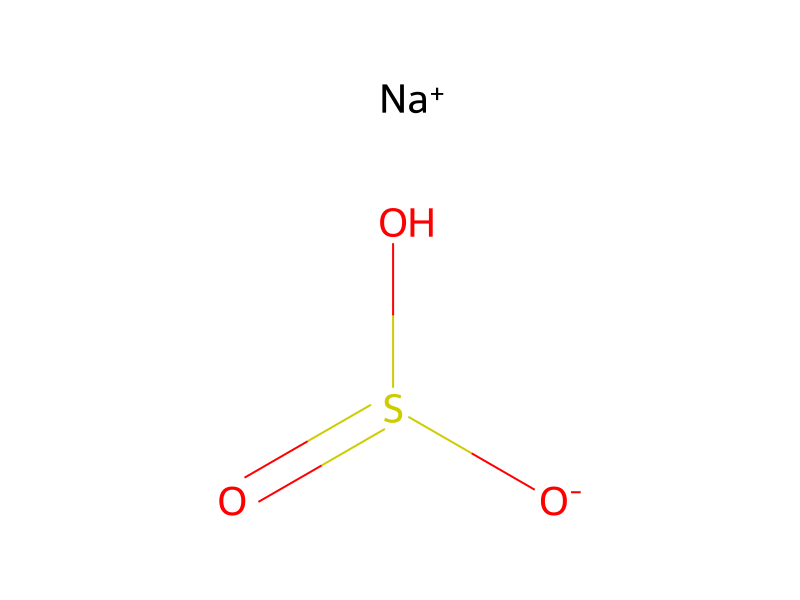
(S)-3-(1-(2,6-dichloro-3-fluorophenyl)ethoxy)-2-aminopyridine (12 g, 39.87 mmol) was dissolved in dichloromethane (15 mL), a solution of N-bromosuccimide (7.1 g, 39.87 m mol) in acetonitrile (20 mL) was added dropwise slowly under the cooling of ice bath, and the reaction was stirred. After TLC test has showed that reaction was completed, a small amount of NaHSO3 solution was added to quench it, and the pH was adjusted to about 8-9 using sodium carbonate solution. The mixed solution was concentrated under reduced pressure to remove dichloromethane and acetonitrile. The residue was extracted with dichloromethane, and the organic layer was separated, washed with water, dried over anhydrous sodium sulfate, concentrated; the residue was purified via silica gel column chromatography (petroleum ether:ethyl acetate=4:1) to yield the target product as yellow solid (12.5 g, yield: 83%).