Bromine → 2,3-Dibromo-5-fluoropyridine
HRID 1850271
反応式

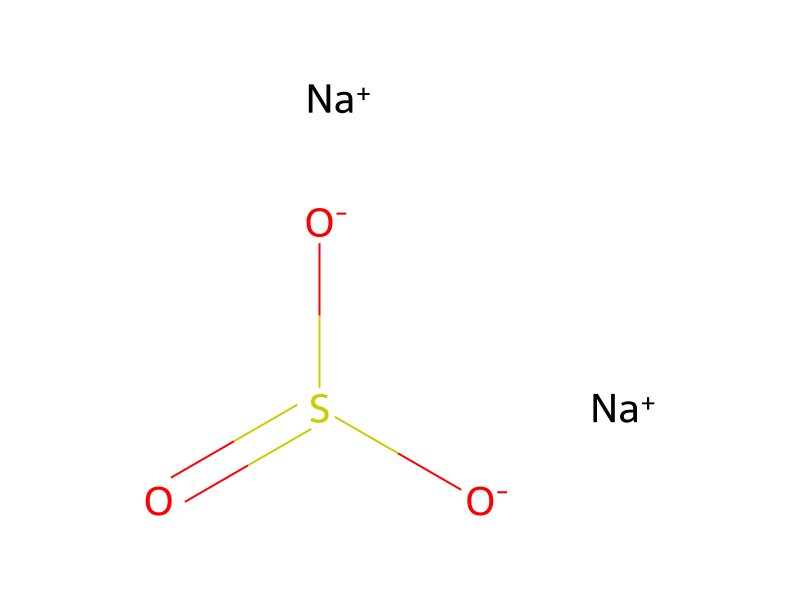
[Br:1][C:2]1[C:3](N)=[N:4][CH:5]=[C:6]([F:8])[CH:7]=1.[Br:10]Br.N([O-])=O.[Na+].S([O-])([O-])=O.[Na+].[Na+]>Br.O>[Br:10][C:3]1[C:2]([Br:1])=[CH:7][C:6]([F:8])=[CH:5][N:4]=1[Br:1][C:2]1[C:3](N)=[N:4][CH:5]=[C:6]([F:8])[CH:7]=1.[Br:10]Br.N([O-])=O.[Na+].S([O-])([O-])=O.[Na+].[Na+]>Br.O>[Br:10][C:3]1[C:2]([Br:1])=[CH:7][C:6]([F:8])=[CH:5][N:4]=1At 60° C., 3-bromo-5-fluoro-pyridin-2-ylamine (56) (1.91 g, 0.01 mol) was dissolved in 48% hydrobromic acid (30 mL). After cooling to −5° C., bromine (3.24 g, 0.02 mol) was added dropwise over 5 min. A solution of sodium nitrite (1.01 g, 0.02 mol) in water (3 mL) was then added at a rate to keep the temperature of the reaction mixture between −5° C. and 0° C. When finished, the temperature was allowed to reach 25° C. The bromine was reduced with an excess of solid sodium sulfite, and the reaction mixture was extracted with EtOAc (3×50 mL). The combined organic extracts were washed with water (30 mL), brine (30 mL), dried over Na2SO4 and filtered. The filtrate was evaporated in vacuo and the residue was purified by flash column chromatography on silica gel (10% to 20% EtOAc in petroleum ether) to give 2,3-dibromo-5-fluoro-pyridine (57) (1.27 g, 5.0 mmol, 50% yield) as a yellow solid.