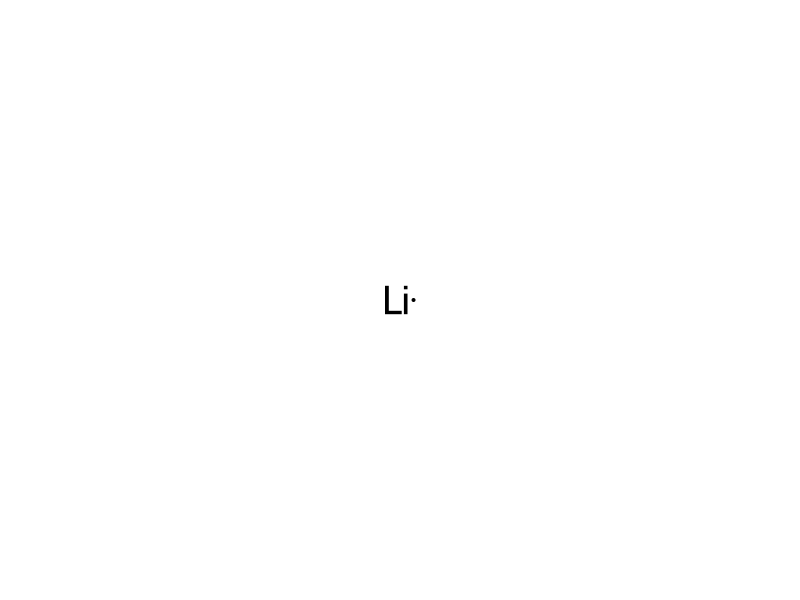
Naphthalene (3.48 g, 27.2 mmol) was added to a suspension of 30% lithium dispersion (3.2 g, 138 mmol, pre-washed with tetrahydrofuran) in tetrahydrofuran (80 ml). The suspension was stirred until a green color appeared (approximately 1 hour). The reaction was cooled to −78° C., and a solution of the 3-cyclohexyl-4-morpholinoethoxy-chlorobenzene (8 g, 24.7 mmol) in tetrahydrofuran (20 ml) was added. After 1 hour, the reaction was warmed to 0° C. and stirred for an additional hour. Dimethylformamide (9.6 ml, 123.5 mmol) was added, the reaction was stirred at 0° C. for one more hour and then warmed to room temperature and stirred for another hour. The reaction was quenched with methanol (30 ml), added to 1N hydrochloric acid (300 ml) and extracted with ethyl acetate (400 ml). The organic layer was washed with water (300 ml), saturated sodium bicarbonate solution (300 ml) and brine (300 ml), dried over magnesium sulfate and concentrated. Chromatography (silica, 40-60% ethyl acetate/hexanes) afforded 3 g (34%) of 3-cyclohexyl-4-morpholinoethoxybenzaldehyde as a light yellow oil.