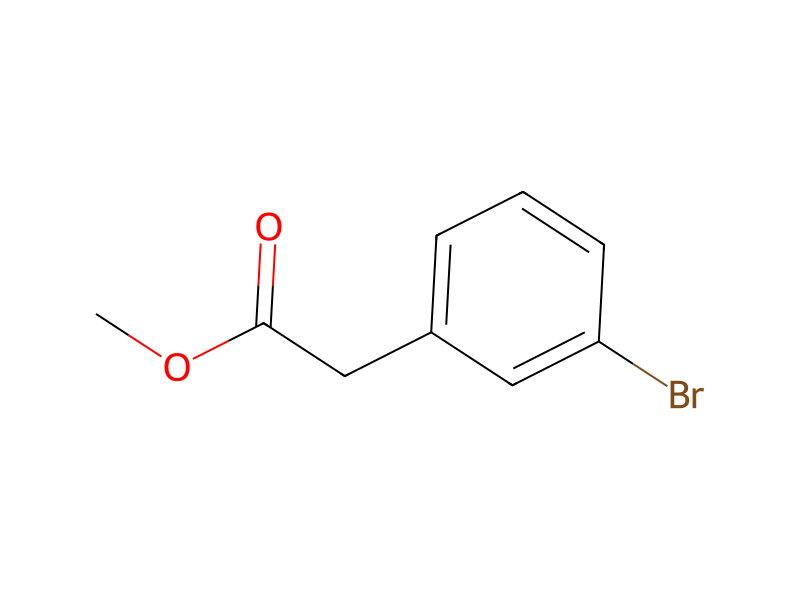
To a solvent mixture of pyridine (75 ml) and dimethylformamide (3 ml) at 0(C was added with 11.5 grams of sodium hydride (50% oil suspension). The mixture was stirred for another 20 minutes, added with 25 grams of methyl 3-bromophenylacetate, stirred for another 30 minutes and added with 21 grams of 4-chloro-6,7-dimethoxyquinazoline. The mixture was added with another 50 ml of pyridine and 50 ml of tetrahyudrofuran and stirred at room temperature for 2 hours. The mixture was then poured into 1200 ml of ice water mixture and extracted with ethyl acetate. The ethyl acetate layer was then washed with water, brine, dried over sodium sulfate, filtered and concentrated. The crude was then purified on a silica gel column with dichloromethane and methanol as the solvent to provide 7 grams of 6,7-dimethoxy-4-[1-(3-bromophenyl)-1-methoxycarbonylmeth yl] quinazoline as a white solid. M. P. 167-168° C. Alternatively, the reaction can be carried with bases such as sodium amide, lithium diisopropylamide or potassium bis(trimethylsilyl)amide in solvents such as tetrahydrofuran or dimethylforamide.