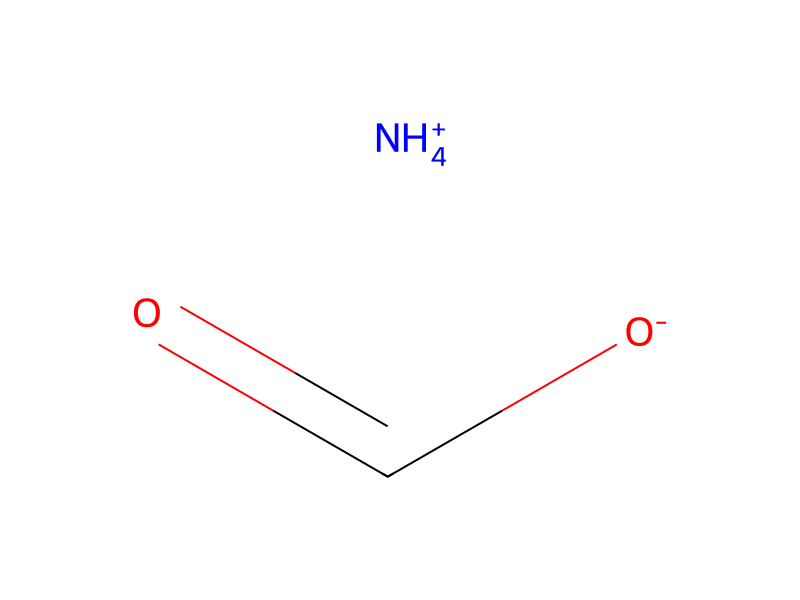
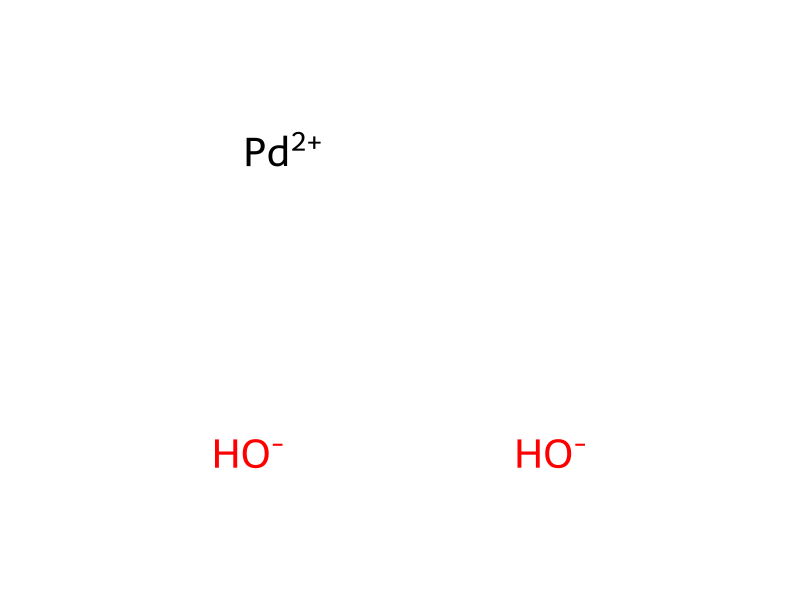
[N+:1]([C:4]1[C:14]([N+:15]([O-])=O)=[CH:13][C:12]2[CH:11]3[CH2:18][CH:7]([CH2:8][N:9]([C:19](=[O:24])[C:20]([F:23])([F:22])[F:21])[CH2:10]3)[C:6]=2[CH:5]=1)([O-])=O.C([O-])=O.[NH4+]>CO.[OH-].[Pd+2].[OH-]>[NH2:1][C:4]1[C:14]([NH2:15])=[CH:13][C:12]2[CH:11]3[CH2:18][CH:7]([CH2:8][N:9]([C:19](=[O:24])[C:20]([F:23])([F:21])[F:22])[CH2:10]3)[C:6]=2[CH:5]=11-(4,5-Dinitro-10-aza-tricyclo[6.3.1.02.7]dodeca-2(7),3,5-trien-10-yl)-2,2,2-trifluoro-ethanone (40 g), ammonium formate (114.28 g) and 20% palladium hydroxide (4 g) were combined in methanol (400 ml) and refluxed for 30 minutes under a nitrogen atmosphere. The reaction mixture was cooled to 25° C. and filtered through a celite pad which was rinsed with methanol. The filtrate was concentrated and the product was extracted with methylene chloride (200 ml) and water (200 ml). The resulting two layers were extracted with methylene chloride (200 ml). The organic layer was washed with saturated aqueous sodium chloride solution (200 ml), dried over sodium sulfate and then concentrated. The residue was crystallized with diisopropyl ether (400 ml) followed by filtration to yield 13 g of 1-(4,5-diamino-10-aza-tricyclo[6.3.1.02.7]dodeca-2(7),3,5-trien-10-yl)-2,2,2-trifluoro-ethanone as pink crystals (Purity by HPLC: 99%).