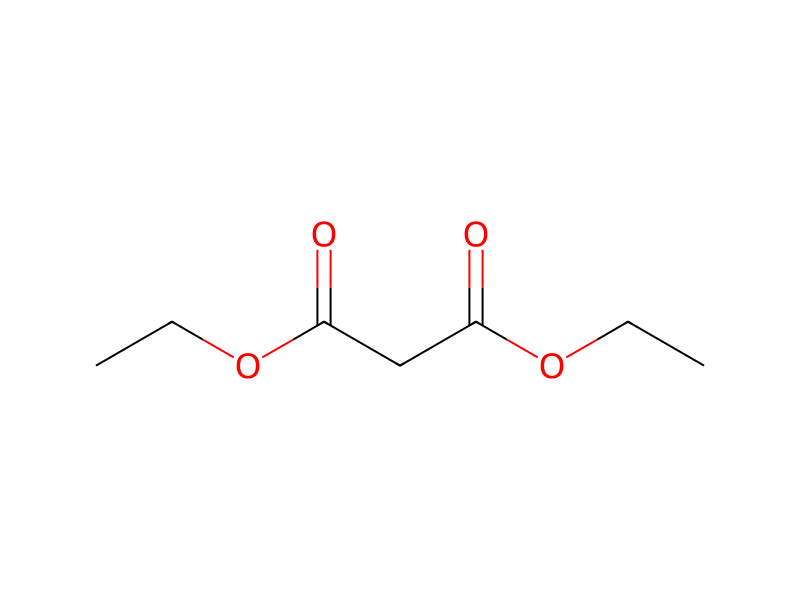
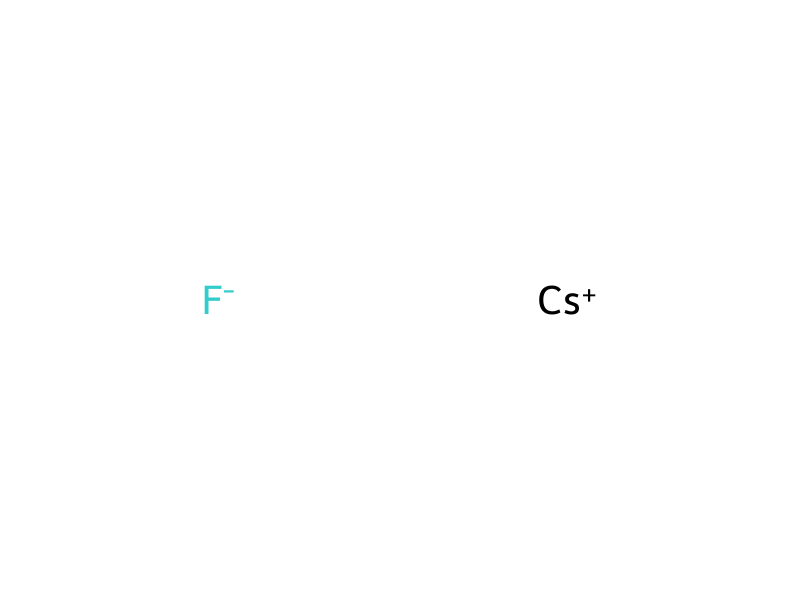
To a suspension of sodium hydride (2.81 g; 117.28 mmol; 2.2 eq) in DMF (35 mL) under nitrogen is added slowly at 0° C. over 20 min diethyl malonate (17.89 mL; 117.28 mmol; 2.2 eq) followed by cesium fluoride (404.91 mg; 2.67 mmol; 0.05 eq) and 1-chloro-4-methoxy-2-nitrobenzene (10 g; 53.31 mmol; 1 eq; commercially available from ACROS). The resulting reaction mixture is stirred at room temperature for 45 min then heated at 105° C. overnight. The reaction is quenched by addition of water and DMF is removed under reduced pressure. The residue obtained is taken up in EtOAc then an aqueous solution of NaHCO3 is added. The organic phase is separated and dried over MgSO4. The solvent is removed under reduced pressure to afford 25 g of a brown oil which is purified on silica gel (800 g) using cyclohexane/EtOAc (95/5) as eluent affording 4.7 g (28%) of the title compound as a yellow oil. HPLC (max plot) 89%; Rt 4.25 min. LC/MS: (ES+): 312.1, (ES−): 310.1.