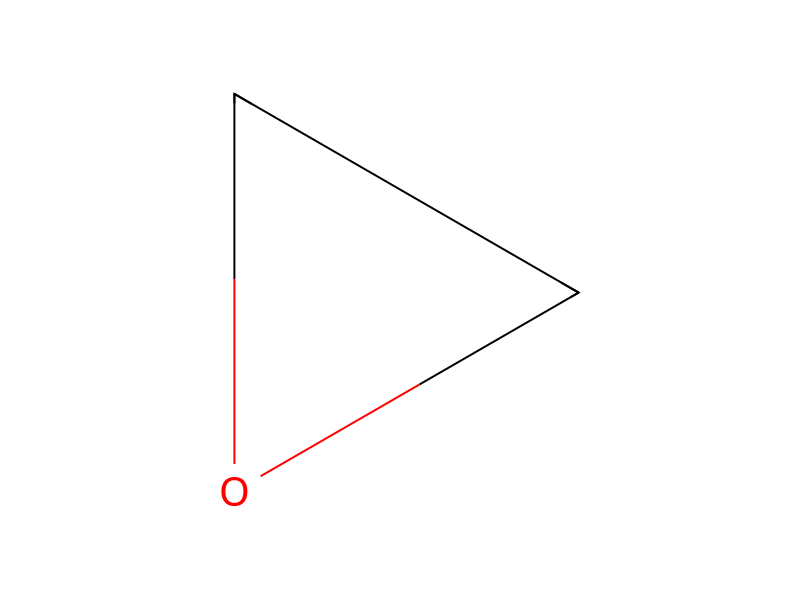
To a solution of N-phenylisonicotinamide (1.98 g, 10 mmol) in tetrahydrofuran (40 ml) at -78° C. was added a solution of n-butyllithium (1.6M in hexanes; 13.5 ml, 21.6 mmol) and the resulting red solution stirrred for 40 minutes before addition of a solution of ethylene oxide in dioxane (3.56M; 3.0 ml, 11 mmol). After allowing the mixture to warm to room temperature over 21/2 hours, the reaction was quenched by addition of methanol (8 ml). The solvent was evaporated and the residue partitioned between ethyl acetate (70 ml) and water (25 ml). The organic layer was washed with saturated brine (25 ml), dried (MgSO4) and evaporated. The residue was chromatographed on silica eluting with 10% methanol/dichloromethane to afford the title compound as a solid (1.05 g, 43%); δH (CDCl3) 3.07 (2H, t, J 5.6 Hz, ArCH2 CH2OH), 3.70 (1H, br s, OH), 4.10 (2H, t, J 5.6 Hz, ArCH2 CH2OH), 7.15-7.19 (1H, m, ArH), 7.35-7.39 (2H, m, ArH), 7.49 (1H, d, J 5.2 Hz, ArH), 7.69-7.71 (2H, m, ArH), 8.44-8.48 (2H, m, ArH), 9.77 (1H, s, NH).