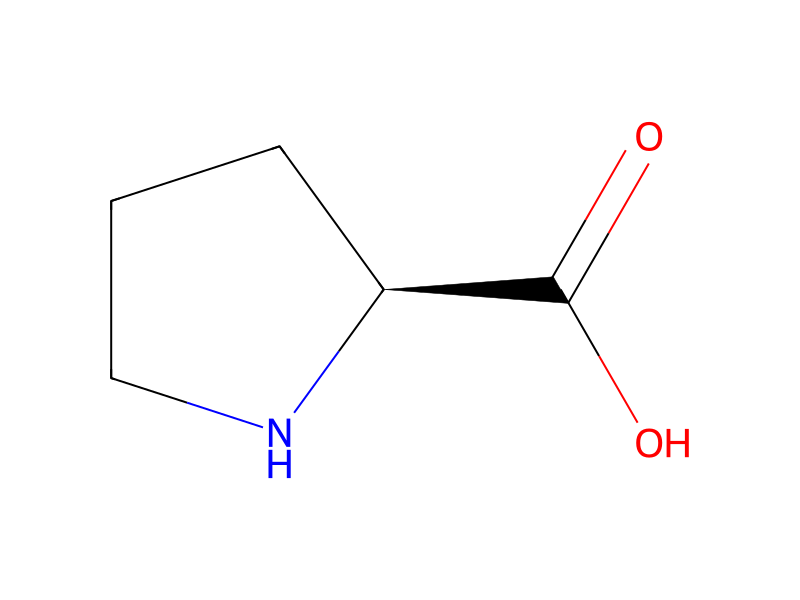
L-Proline → 1-{[3-(2-{3-cyano-4-[(1-methylethyl)oxy]phenyl}-1,3-thiazol-5-yl)-2-ethylphenyl]methyl}-L-proline
HRID 1942759
反応式

[CH2:1]([C:3]1[C:8]([CH:9]=O)=[CH:7][CH:6]=[CH:5][C:4]=1[C:11]1[S:15][C:14]([C:16]2[CH:17]=[CH:18][C:19]([O:24][CH:25]([CH3:27])[CH3:26])=[C:20]([CH:23]=2)[C:21]#[N:22])=[N:13][CH:12]=1)[CH3:2].[NH:28]1[CH2:35][CH2:34][CH2:33][C@H:29]1[C:30]([OH:32])=[O:31].C([BH3-])#N.[Na+]>C(O)C>[C:21]([C:20]1[CH:23]=[C:16]([C:14]2[S:15][C:11]([C:4]3[C:3]([CH2:1][CH3:2])=[C:8]([CH2:9][N:28]4[CH2:35][CH2:34][CH2:33][C@H:29]4[C:30]([OH:32])=[O:31])[CH:7]=[CH:6][CH:5]=3)=[CH:12][N:13]=2)[CH:17]=[CH:18][C:19]=1[O:24][CH:25]([CH3:27])[CH3:26])#[N:22]参加物
5