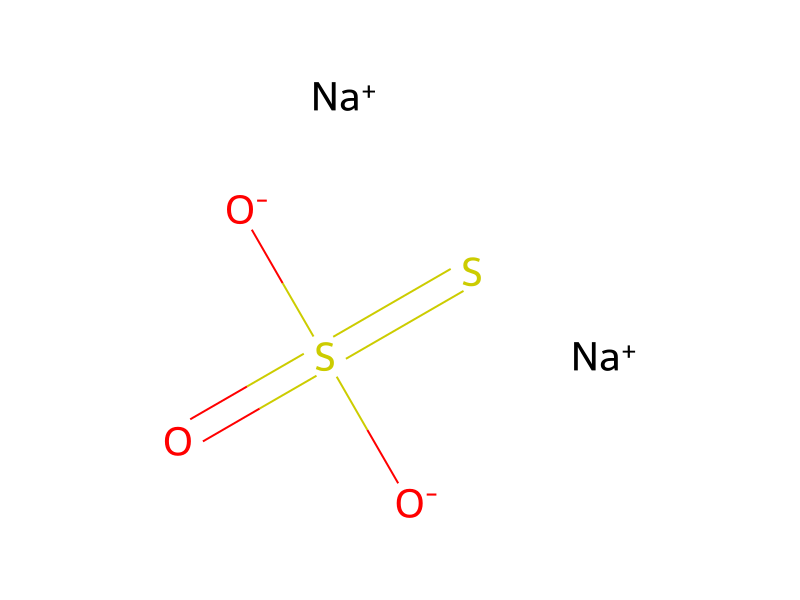
[CH3:1][C:2]1[CH:7]=[CH:6][C:5]([C:8]2[CH:9]=[CH:10][C:11]3S[CH2:16][CH2:15][C:14]([C:18]([O:20][CH3:21])=[O:19])=[CH:13][C:12]=3[CH:22]=2)=[CH:4][CH:3]=1.C1C=C(Cl)C=C(C(OO)=O)C=1.[S:34]([O-:38])([O-])(=[O:36])=S.[Na+].[Na+]>ClCCl>[CH3:1][C:2]1[CH:7]=[CH:6][C:5]([C:8]2[CH:9]=[CH:10][C:11]3[S:34](=[O:38])(=[O:36])[CH2:16][CH2:15][C:14]([C:18]([O:20][CH3:21])=[O:19])=[CH:13][C:12]=3[CH:22]=2)=[CH:4][CH:3]=1To a solution of methyl 7-(4-methylphenyl)-2,3-dihydro-1-benzothiepine-4-carboxylate (1.5 g) in dichloromethane (25 ml) was added, under ice-cooling, 70% mCPBA (2.4 g), and the mixture was stirred at room temperature for 1 hour. To the solution was added an aqueous solution of sodium thiosulfate, and the mixture was concentrated and extracted with ethyl acetate. The organic layer was washed with sodium hydrogen carbonate solution, water and saturated brine, and dried with anhydrous magnesium sulfate. Under reduced pressure, the solvent was evaporated to give methyl 7-(4-methylphenyl)-1,1-dioxo-2,3-dihydro-1-benzothiepine-4-carboxylate (1.6 g) as colorless crystals.