Benzyloxycarbonyl-L-phenylalanine → Dibenzyl ether
反応式

N(C(OC(C)(C)C)=O)[C@H](C(O)=O)[CH2:3][C:4]1[CH:9]=[CH:8][CH:7]=[CH:6][CH:5]=1.N(C([O:34][CH2:35][C:36]1[CH:41]=[CH:40][CH:39]=[CH:38][CH:37]=1)=O)[C@H](C(O)=O)CC1C=CC=CC=1.COC1C=CC(C[Mg]Cl)=CC=1>>[CH2:35]([O:34][CH2:3][C:4]1[CH:5]=[CH:6][CH:7]=[CH:8][CH:9]=1)[C:36]1[CH:41]=[CH:40][CH:39]=[CH:38][CH:37]=1参加物


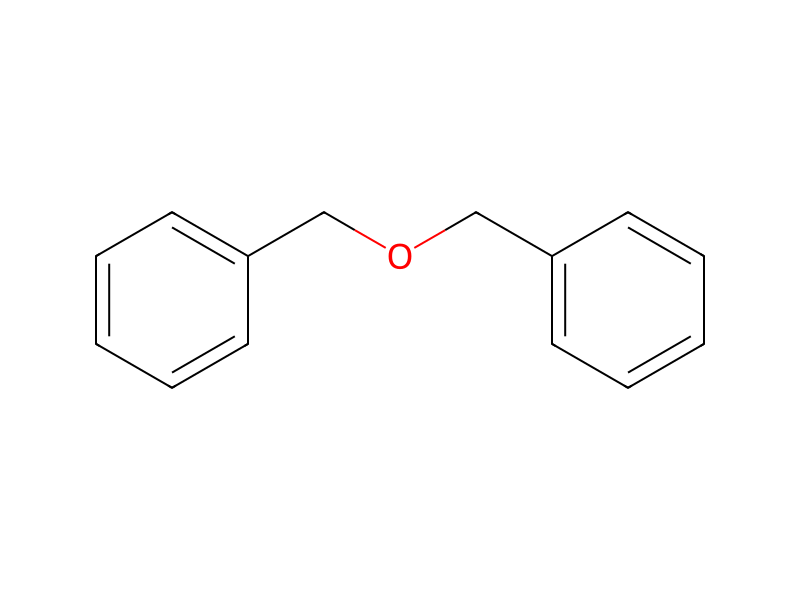
実験手順
Boc-Phe 7 is converted to the allylic alcohol 8 using the same procedures reported by De Lucca et al. for the conversion of Z-Phe to the corresponding Z-allylic alcohol (J. Med. Chem. 1997, 40, 1707-1719). The allylic alcohol 8 is reacted with 4-methoxybenzylmagnesium chloride to afford the alkene 9 (J. Med. Chem. 1997, 40, 1707-1719). The 4-methoxybenzylmagnesium chloride is prepared from 4-methoxybenzylchloride according to the procedure of Van Campen et al. (J. Amer. Chem. Soc. 1948, 70 p2296). The alkene 9 is converted to the tetrahydropyrimidinone 10 using the same series of procedures reported by De Lucca et al. (J. Med. Chem. 1997, 40, 1707-1719). Treatment of the nitrile 10 with hydrogen peroxide in DMSO affords the carboxamide 11 (Synthesis, 1989, 949-950). The carboxamide 11 is treated with trimethylsilylbromide to form the phenol 12 (Green) which is then alkylated with trifluoro-methanesulfonic acid bis-benzyloxy-phosphorylmethyl ester in the presence of base (e.g. cesium carbonate) to yield the dibenzyl phosphonate 13.
出典と根拠
- ORDレコード
- ord-b861c7ed26e24b208f49e7e1e52e75e5
- 出典データセット
- uspto-grants-2010_01
- 特許番号
- US07649015B2
反応ノート
読み込み中…