ホームMCPワークベンチSkills
ホームワークベンチ通知マイページ
llms.txt · MCPガイドプライバシーポリシー · 利用規約 · サポートv1.8.3
  1. ホーム
  2. /反応

Dichloromethane → 3-(5-Pyrimidyl)acrylic acid

HRID 2228910
印刷

反応式

HRID 2228910 の反応式
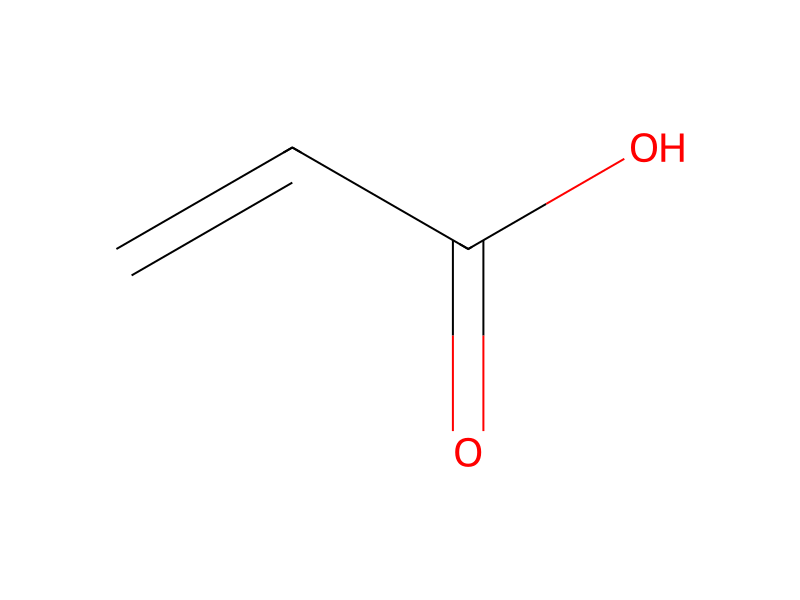
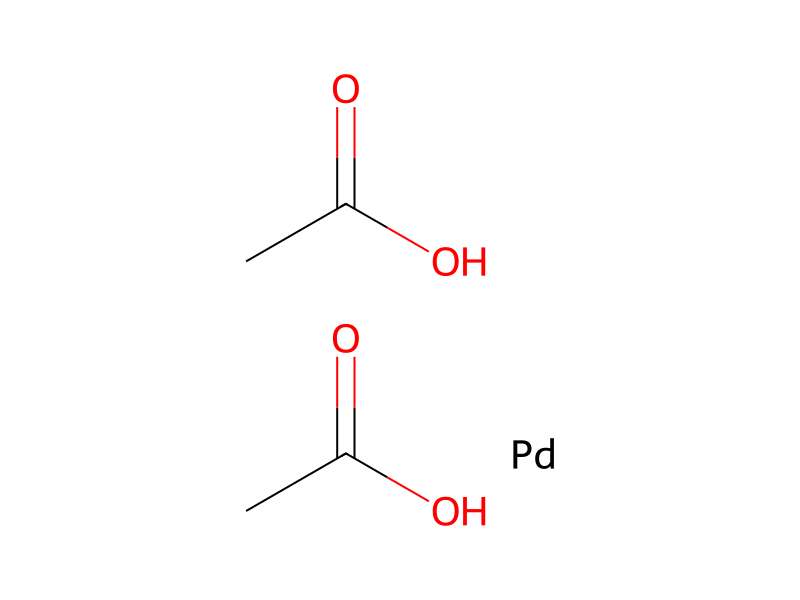
Br[C:2]1[CH:3]=[N:4][CH:5]=[N:6][CH:7]=1.[C:8]([OH:12])(=[O:11])[CH:9]=[CH2:10].C(=O)([O-])[O-].[K+].[K+].ClCCl>C(N(CCCC)CCCC)CCC.CC(O)=O.CC(O)=O.[Pd].C1(P(C2C=CC=CC=2)C2C=CC=CC=2)C=CC=CC=1>[N:4]1[CH:3]=[C:2]([CH:10]=[CH:9][C:8]([OH:12])=[O:11])[CH:7]=[N:6][CH:5]=1
参加物反応条件実験手順後処理出典と根拠反応ノート

参加物

8

反応物 4

HCID 6344DichloromethaneHCID 6581Acrylic AcidHCID 11430Potassium CarbonateHCID 783445-Bromopyrimidine

生成物 1

HCID 534018453-(5-Pyrimidyl)acrylic acid収率 37.1%

試薬・触媒・溶媒 3

HCID 11776Triphenylphosphine触媒
HCID 4144353
Palladium (II) acetate
触媒
HCID 7622Tributylamine溶媒

反応条件

温度
152.5 °C

実験手順

A mixture of 5-bromopyrimidine (100 g), acrylic acid (48 g), triphenylphosphine (2.5 g) and palladium II acetate (0.1 g) was refluxed in tri-n-butylamine (260 ml) with overhead stirring for 4.5 h at 145-160° C. The mixture was cooled and a 10% solution of potassium carbonate (2 L) added followed by dichloromethane (500 mL). The organic layer was separated and the aqueous phase extracted with diethyl ether (3×300 ml). The aqueous layer was brought to pH 3 with concentrated hydrochloric acid (ice-cooling) and the solid so formed was filtered and dried in vacuo to give 3-(5-pyrimidyl)acrylic acid (35 g). 1H-NMR (d6-DMSO) δ 6.82(1H, d), 7.60(1H, d) and 9.15(3H, 2xs)


後処理

  1. temperatureThe mixture was cooled
  2. customThe organic layer was separated
  3. extractionthe aqueous phase extracted with diethyl ether (3×300 ml)
  4. customthe solid so formed
  5. filtrationwas filtered
  6. customdried in vacuo

出典と根拠

ORDレコード
ord-a3d746e321f84521bb8b3d68d3f53d23
出典データセット
uspto-grants-2002_07
DOI
10.6084/m9.figshare.5104873.v1
特許番号
US06417192B1

反応ノート

このページの内容参加物反応条件実験手順後処理出典と根拠反応ノート