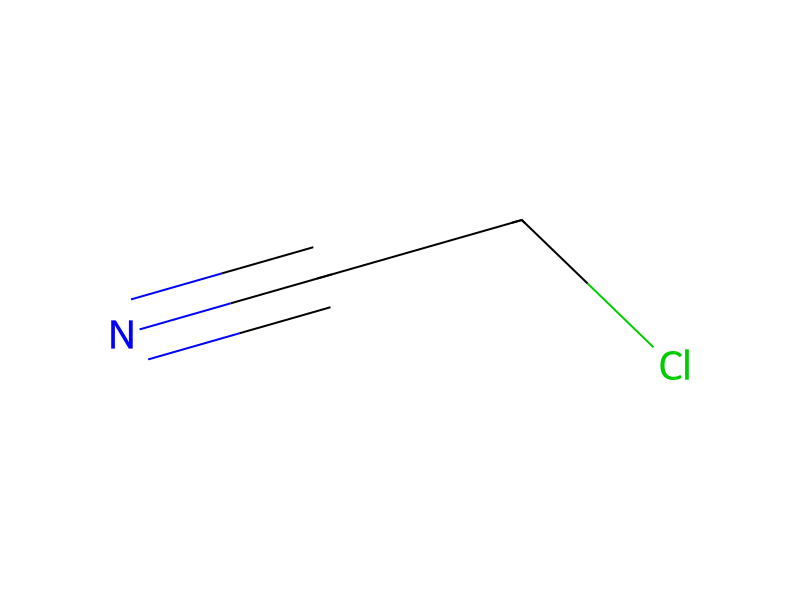
[CH2:1]([O:8][C:9]([NH:11][CH2:12][CH2:13][C:14]1[CH:19]=[CH:18][C:17]([OH:20])=[CH:16][CH:15]=1)=[O:10])[C:2]1[CH:7]=[CH:6][CH:5]=[CH:4][CH:3]=1.CC[O-].[Na+].[Na].Cl[CH2:27][C:28]#[N:29]>C(OCC)C.C(O)C>[CH2:1]([O:8][C:9]([NH:11][CH2:12][CH2:13][C:14]1[CH:19]=[CH:18][C:17]([O:20][CH2:27][C:28]#[N:29])=[CH:16][CH:15]=1)=[O:10])[C:2]1[CH:3]=[CH:4][CH:5]=[CH:6][CH:7]=148.82 g. (0.18 mol) of the above-prepared N-(benzyloxycarbonyl)-p-hydroxyphenethylamine are introduced into a sodium ethylate solution freshly prepared from 5.17 g. sodium and 270 ml. ethanol, 11.4 ml. (0.18 mol) chloroacetonitrile are slowly added dropwise thereto and the reaction mixture is heated to the boil. After 5 hours, the solvent is stripped off, the residue is taken up in diethyl ether, extracted twice with 2N aqueous sodium hydroxide solution, washed neutral, dried over anhydrous sodium sulphate and evaporated to dryness. The oily residue is recrystallised from ligroin/diethyl ether (8:2 v/v). There are obtained 44.74 g. (80% of theory) of the desired product in the form of colourless crystals; m.p. 110°-115° C.