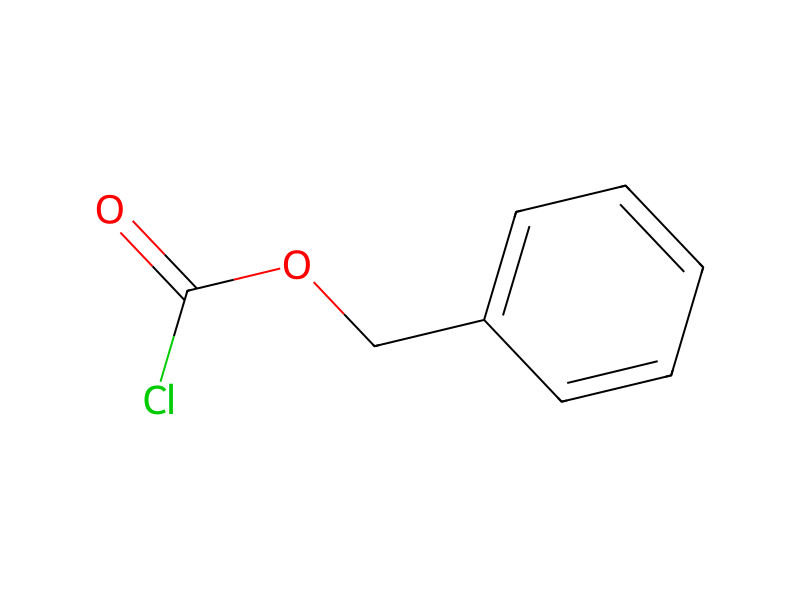
[NH2:1][S:2]([C:5]1[CH:14]=[CH:13][C:8]([C:9]([O:11][CH3:12])=[O:10])=[CH:7][CH:6]=1)(=[O:4])=[O:3].C(=O)([O-])[O-].[K+].[K+].[CH:21]1[CH:26]=[CH:25][C:24]([CH2:27][O:28][C:29](Cl)=[O:30])=[CH:23][CH:22]=1>C(COC)OC>[CH2:27]([O:28][C:29]([NH:1][S:2]([C:5]1[CH:6]=[CH:7][C:8]([C:9]([O:11][CH3:12])=[O:10])=[CH:13][CH:14]=1)(=[O:3])=[O:4])=[O:30])[C:24]1[CH:25]=[CH:26][CH:21]=[CH:22][CH:23]=1A mixture of methyl 4-(aminosulfonyl)benzoate (5.10 g) and potassium carbonate (655 g) in dimethoxyethane (50 mL) was refluxed for 5 minutes. After cooling the mixture, a solution of benzyl chloridocarbonate (5.25 g) in dimethoxyethane (30 mL), and the resulting mixture was refluxed for 1 hour. The reaction was quenched by adding 1N hydrochloric acid (100 mL). The mixture was extracted with ethyl acetate (200 mL), and the organic layer was washed with brine, dried over magnesium sulfate, and evaporated to give a pale yellow oil, which was solidified upon standing. The solid was triturated in diisopropyl ether (30 mL) to give methyl 4-({[(benzyloxy)carbonyl]amino}sulfonyl)benzoate as a white powder (3.38 g).