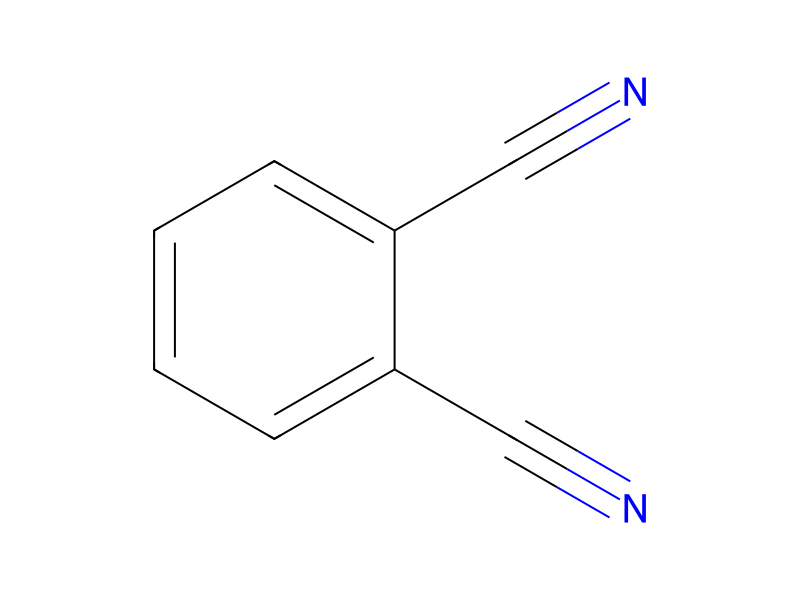
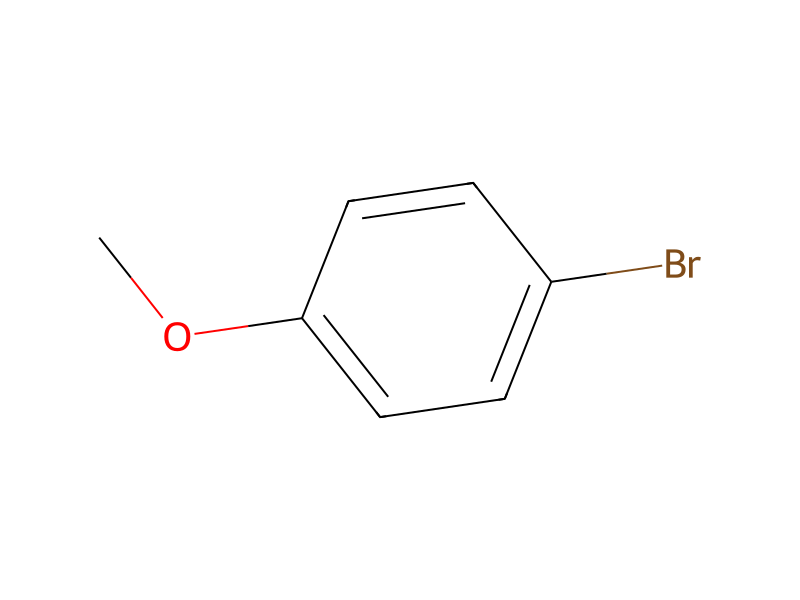
To a −78° C. cooled solution of 4-bromoanisol (489 uL, 3.90 mmol) in tetrahydrofuran (20 mL) was added 1.6 M n-butyllithium in hexanes (2.44 mL, 3.90 mmol) and the solution stirred 10 minutes. This was cannulated into a −78° C. solution of 1,2-dicyanobenzene (500 mg, 3.90 mmol) in tetrahydrofuran (20 mL). To a separate round bottom flask was added 1,3-dibromobenzene (471 uL, 3.90 mmol) and tetrahydrofuran (20 mL) and the solution cooled in a −78° C. bath. To this was added 1.6 M n-butyllithium in hexanes (2.44 mL, 3.90 mmol) and the solution stirred 10 minutes. This anion was cannulated into the 1,2-dicyanobenzene reaction and the mixture was stirred at −78° C. for 2 hours. The reaction was poured into saturated ammonium chloride (100 mL) and extracted with ethyl acetate twice. The combined organic layers were washed with aqueous saturated sodium chloride, dried over magnesium sulfate and removed of solvent under reduced pressure to give an amber oil. The amber oil was placed on a 40 g silica gel column eluted with dichloromethane/methanol (9:1) and the combined purified fractions were removed of solvent under reduced pressure to give the titled compound as a tan solid (170 mg, 11%).