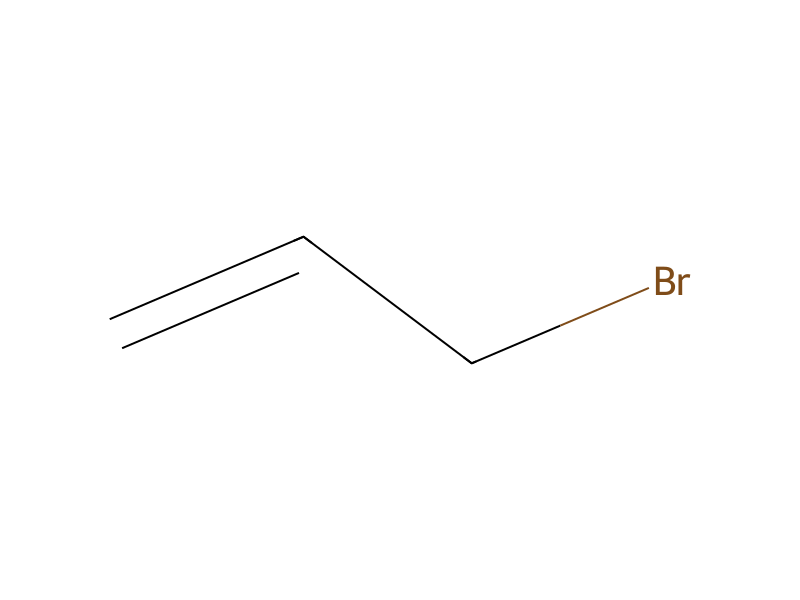
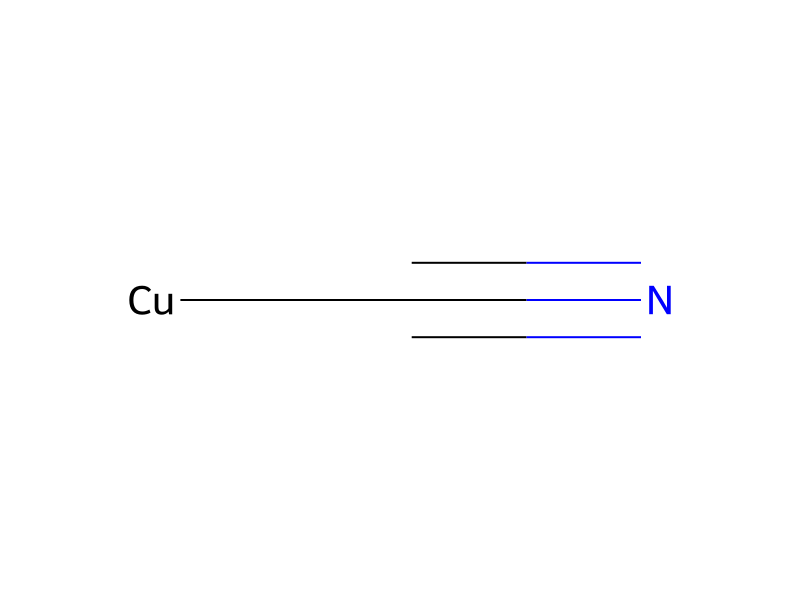
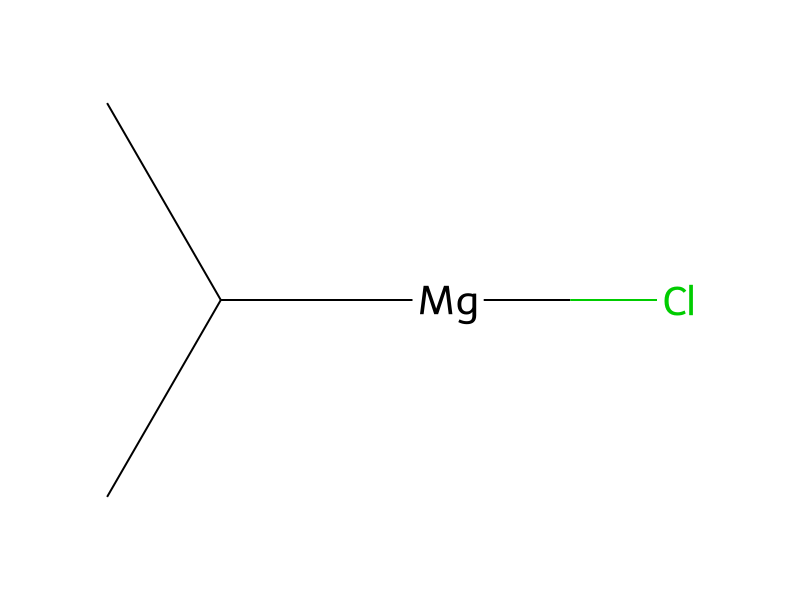
To a solution of isopropylmagnesium chloride (6.15 mL of a 2 M solution in tetrahydrofurane) in tetrahydrofurane (75 mL) is added dropwise at 0° C. n-butyllithium (15.4 mL of a 1.6 M solution in n-hexane). The mixture is stirred for 10 minutes, a solution of 2,5-dibromo-1,3-dimethylbenzene (5 g) in tetrahydrofurane (75 mL) is added within 10 minutes. The mixture is stirred for 2 hours, cooled to −40° C. and then CuCN×LiCl (5.5 mL of a 1 M solution in tetrahydrofurane) is added dropwise. After stirring for 5 minutes 3-bromopropene (6.6 mL) is added dropwise, the mixture is stirred for 1 hour, warmed to room temperature and stirred for further 12 hours. Then the reaction is quenched by addition of saturated aqueous NH4Cl solution. The mixture is extracted with diethylether, the organic phase is dried (MgSO4) and concentrated. The residue is chromatographed on silica gel (dichloromethane) to give the title compound. Yield: 3.76 g; LC (method 8): tR=0.83 min; Mass spectrum (ESI+): m/z=225 [M+H]+.