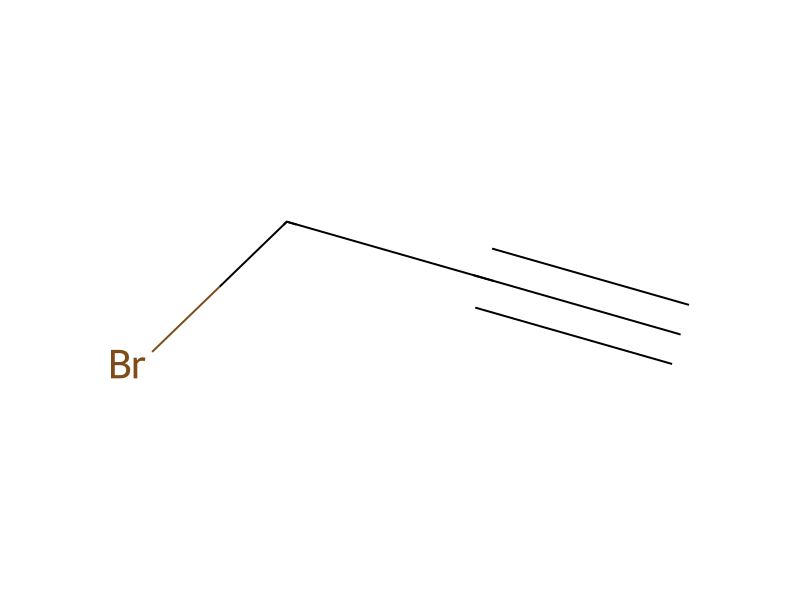
FIG. 1 shows a synthetic scheme useful in preparing 10-propargyl-10-deazaaminopterin. A mixture of 60% NaH in oil dispersion (1.06 g, 26.5 mmol) in 18 mL of sieve-dried THF was cooled to 0° C. The cold mixture was treated with a solution of homoterephthalic acid dimethyl ester (5.0 g, 24 mmol. compound 1 in FIG. 1) in dry THF (7 mL), and the mixture was stirred for 1 hour at 0° C. Propargyl bromide (26.4 mmol) was added, and the mixture was stirred at 0° C. for an additional 1 hour, and then at room temperature for 16 hours. The resulting mixture was treated with 2.4 mL of 50% acetic acid and then poured into 240 mL of water. The mixture was extracted with ether (2×150 mL). The ether extracts were combined, dried over Na2SO4, and concentrated to an orange-yellow oil. Chromatography on silica gel (600 mL of 230-400 mesh) with elution by cyclohexane-EtOAc (8:1) gave the product α-propargylhomoterephthalic acid dimethyl ester (compound 2) as a white solid (4.66) which appeared by TLC (cyclohexane-EtOAc, 3:1) to be homogeneous. Mass spectral data on this product, however, showed it to be a mixture of the desired product 2, and the di-propargylated compound. No starting material 1 was detected. HPLC shows the ratio of mono- to di-propargylated products to be about 3:1. Since the dipropargylated product, unlike compound 1, cannot produce an unwanted coproduct in the next step of the reaction, this material was suitable for conversion to compound 3. Absence of starting compound 1 in the product used to proceed in the synthesis is very important in order to avoid the sequential formation of 10-dAM during the transformations lading to the final product, because complete removal from 10-dAM from 10-propargyl-10-deazaaminopterin is very difficult.