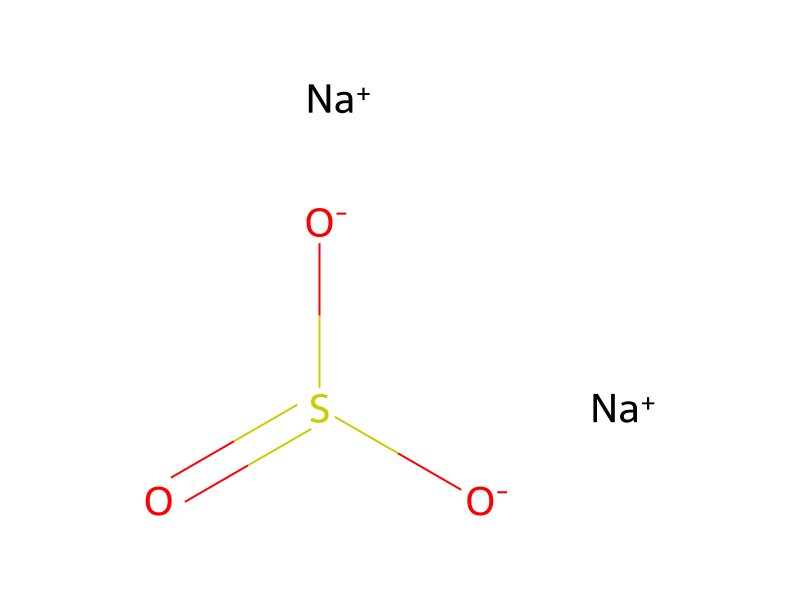
To a nitrogen purged, 12 L, 5-necked flask, fitted with an overhead stirrer, a thermocouple and a condenser, was charged ethyl 2-(2,4-difluorophenyl)nicotinate, 3 (144 g, 548 mmoles, 1.0 eq), and 4 L of CH2Cl2. With stirring, mCPBA was added over 5 minutes, and the temperature was gradually increased from 22 to 38° C. in 45 minutes (completeness of reaction determined by HPLC). The reaction was cooled to room temperature and the contents slowly poured into 3 L of water. Na2SO3 was added slowly (exotherm from 20 to 33° C.) until the peroxide test (starch/I2 paper) indicated no peroxides remained in the mixture. The aqueous layer was separated and the organic layer was washed with saturated NaHCO3 (˜3 L). The organic layer was dried with MgSO4, filtered, and concentrated to a brown thick oil. The oil was then treated with MTBE (2 L) and stirred to give a white precipitate, which was collected by filtration, washed with MTBE and dried under vacuum to give the title Compound 4.