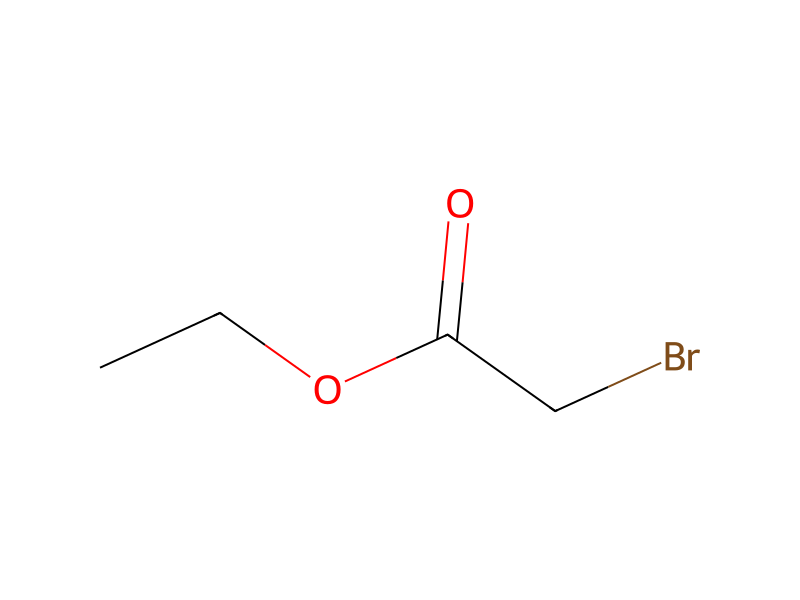
Ethyl bromoacetate → Ethyl 2-(3,3-bis(4-chlorophenyl)-2-oxopyrrolidin-1-yl)acetate
HRID 2408852
反応式

[Cl:1][C:2]1[CH:7]=[CH:6][C:5]([C:8]2([C:14]3[CH:19]=[CH:18][C:17]([Cl:20])=[CH:16][CH:15]=3)[CH2:12][CH2:11][NH:10][C:9]2=[O:13])=[CH:4][CH:3]=1.CC(C)([O-])C.[K+].Br[CH2:28][C:29]([O:31][CH2:32][CH3:33])=[O:30]>O1CCCC1>[Cl:20][C:17]1[CH:18]=[CH:19][C:14]([C:8]2([C:5]3[CH:4]=[CH:3][C:2]([Cl:1])=[CH:7][CH:6]=3)[CH2:12][CH2:11][N:10]([CH2:28][C:29]([O:31][CH2:32][CH3:33])=[O:30])[C:9]2=[O:13])=[CH:15][CH:16]=1参加物
5




実験手順
To a suspension of the product from Example 25B (0.76 g, 2.5 mmol) in tetrahydrofuran (40 mL) was added a solution of potassium t-butoxide (1.0 M in tetrahydrofuran, 2.6 mL, 2.6 mmol). After stirring for 30 minutes at room temperature a pale yellow homogeneous solution resulted. To the reaction was added ethyl bromoacetate (0.42 g, 2.5 mmol) and stirring was continued overnight at room temperature. The reaction was concentrated, diluted with ethyl acetate (100 mL), washed with water and brine, dried over MgSO4, filtered and concentrated. The residue was dissolved in minimal amount of dichloromethane and loaded onto a silica gel column. The product was eluted with a gradient of 5% ethyl acetate/hexanes to 50% ethyl acetate/hexanes to afford the title compound.