Sodium Sulfate → Ethyl 3-phenylsulfonyl-5-chloroindole-2-carboxylate
反応式

C1(S[C:8]2[C:16]3[C:11](=[CH:12][CH:13]=[C:14]([Cl:17])[CH:15]=3)[NH:10][C:9]=2[C:18]([O:20][CH2:21][CH3:22])=[O:19])C=CC=CC=1.[O-:23][S:24]([O-:27])(=O)=O.[Na+].[Na+].Cl[C:31]1[CH:32]=[C:33]([CH:38]=[CH:39][CH:40]=1)C(OO)=O>C(Cl)(Cl)Cl>[C:31]1([S:24]([C:8]2[C:16]3[C:11](=[CH:12][CH:13]=[C:14]([Cl:17])[CH:15]=3)[NH:10][C:9]=2[C:18]([O:20][CH2:21][CH3:22])=[O:19])(=[O:27])=[O:23])[CH:32]=[CH:33][CH:38]=[CH:39][CH:40]=1参加物
5
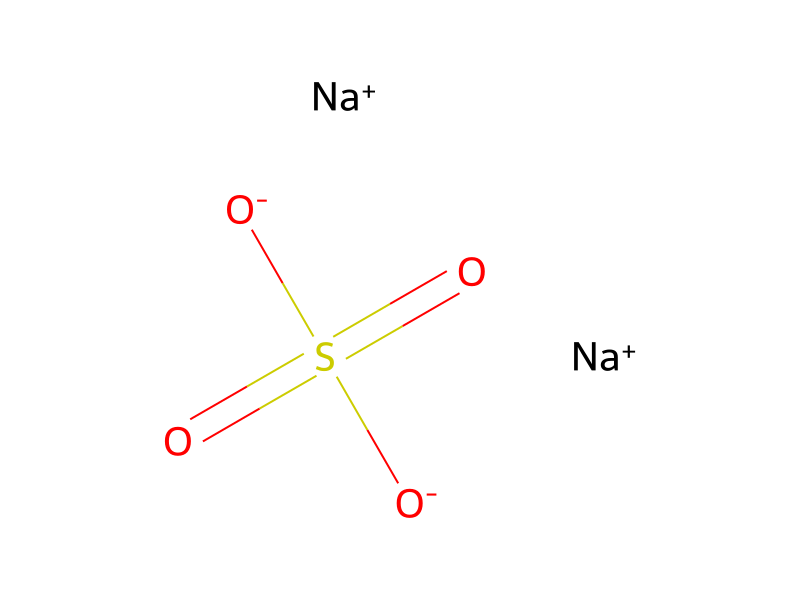




実験手順
Ethyl 3-phenylthio-5-chloroindole-2-carboxylate (642 mg, 1.94 mmol) was dissolved in chloroform (35 mL) and a dried (Na2SO4) solution of m-chloroperoxybenzoic acid (55% pure, 1.30 g, 4.1 mmol) in chloroform (20 mL) was added dropwise. The progress of the oxidation was monitored by tlc until complete. After 5 hours, the reaction was diluted with chloroform and some methanol and the solution washed with aq. NaHCO3 and aq. Na2CO3. The dried (Na2SO4) organic layer was filtered through a pad of charcoal and the solvents removed under reduced pressure. The residue was triturated with diethyl ether to yield the product. Crystallization from methylene chloride and diethyl ether gave analytically pure material, mp 201°-202° C.